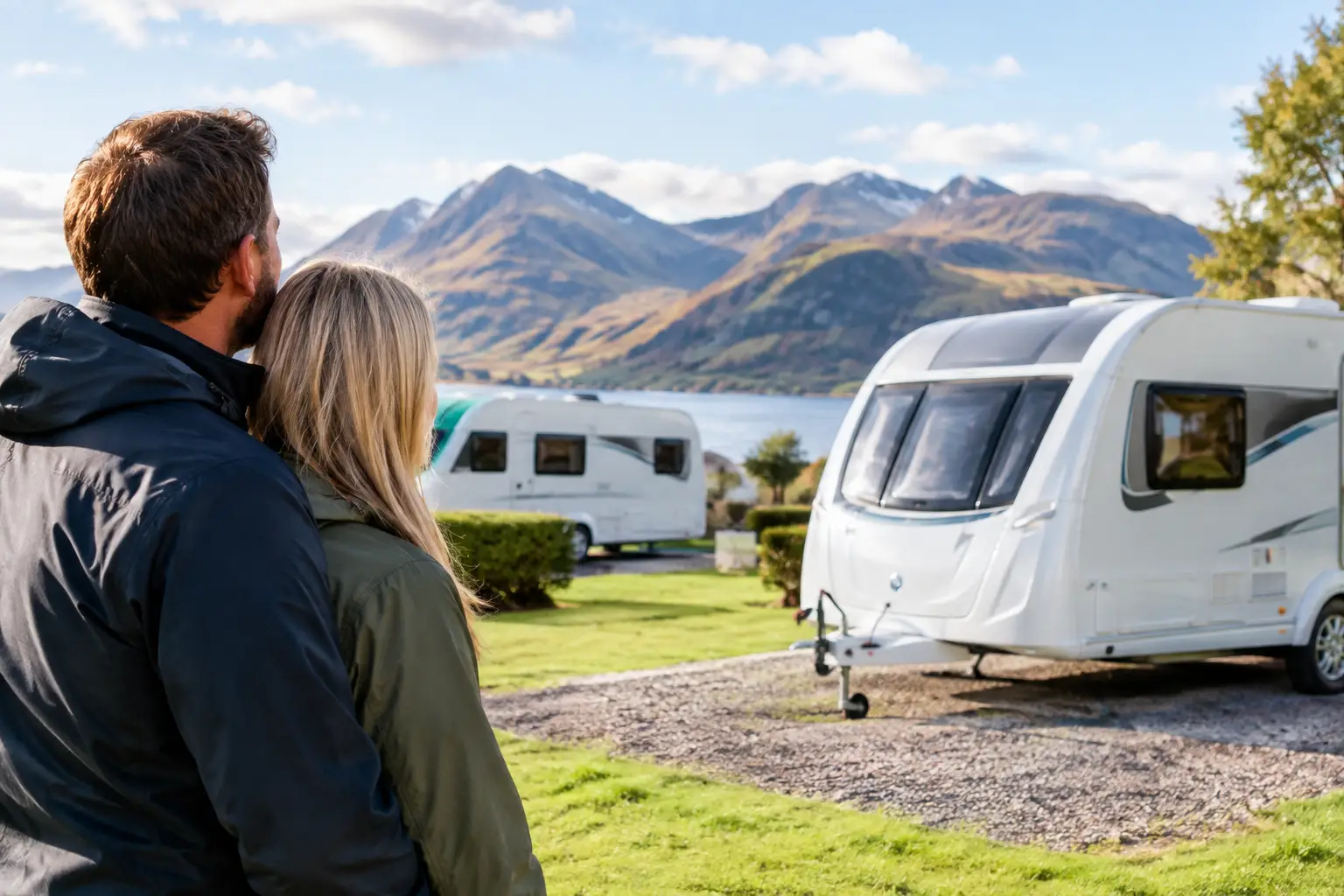
A caravan that has sat unused through another winter can become more than an inconvenience. There may be storage fees, an expired service, damp concerns or simply the feeling that it is time for someone else to enjoy it. The best caravan sale methods depend on what matters most to you: achieving the highest possible figure, selling quickly, avoiding admin or finding a buyer for a caravan that is not in perfect condition.
There is no single route that suits every owner. A well-presented, late-model touring caravan may attract strong private interest, while an older caravan with water ingress, accident damage or an uncertain history is often better handled by a professional buyer. Knowing the practical trade-offs before you advertise can save weeks of calls, viewings and disappointment.
1. Selling privately through classified adverts
A private sale can produce the strongest headline price, particularly if your caravan is clean, well maintained and in demand. You set the price, write the advert, take photographs and choose who comes to view it. For owners with time to spare, this method can work well.
The work begins before the advert goes live. Buyers expect clear photographs of the exterior, lounge, kitchen, washroom, tyres, windows and any signs of wear. They will usually ask about the service history, habitation checks, damp reports, ownership documents, storage arrangements and included equipment. If there is finance outstanding, that needs to be dealt with openly too.
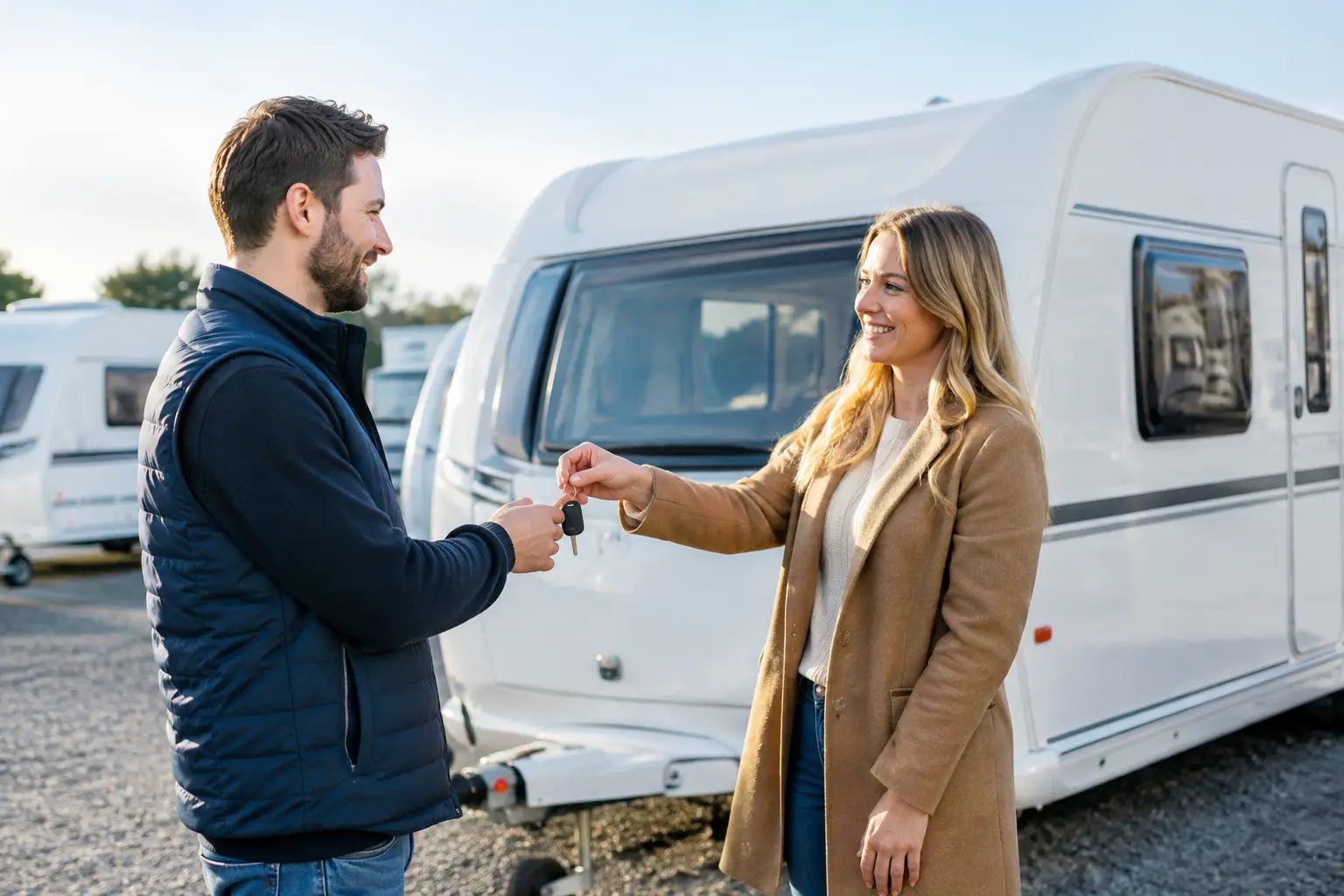
Private selling also means handling negotiations. Some enquiries will be genuine, but others may be vague, ask for a discount before viewing or fail to turn up. You must arrange safe viewings, check that payment has fully cleared and complete the ownership transfer correctly. Never hand over the caravan or its keys on the strength of a payment screenshot or a promise that funds are on their way.
This option is best when time is not pressing and your caravan presents well. It is less appealing if you do not want strangers at your home, need it collected, or are worried that a known fault will lead to repeated haggling.
2. Part-exchanging with a caravan dealer
Part exchange is often convenient when you are replacing your current caravan with another model. The dealer takes your existing caravan as part of the transaction, reducing the amount you need to pay for the replacement. There is one negotiation rather than two separate sales, which can make upgrading straightforward.
The downside is that the allowance offered for your caravan may be lower than a private-sale figure. A dealer needs enough margin to prepare, market and sell it on, and may be cautious about older units or models with damp readings, cosmetic damage or incomplete paperwork. The headline deal on the replacement caravan can also make it harder to see the true value being offered for yours.
Ask for the part-exchange allowance and the price of the replacement caravan as separate figures. That gives you a fairer basis for comparison. If you are not buying another caravan, this route will not apply at all.
3. Using sale-or-return or a broker
Some dealers offer to sell a caravan on your behalf, often described as sale-or-return or brokerage. The caravan is displayed at their premises, advertised to their customer base and shown by their sales team. This may suit an owner who wants wider exposure without arranging every viewing personally.
However, the caravan may be tied up for weeks or months while it waits for a buyer. Fees, storage charges, preparation costs and commission can reduce what you receive, so make sure every possible deduction is confirmed in writing before you agree. You also need to establish who is responsible for insurance, damage while stored and any repairs requested by a prospective buyer.
This method can make sense for a desirable caravan where you are under no pressure to sell. It is usually not the quickest answer for an inherited caravan, a unit taking up needed driveway space or one that requires significant repairs before retail sale.
4. Selling through an auction
An auction can create a fast, fixed selling date and may reach trade buyers who are happy to take on caravans needing work. That can be useful for older stock, non-runners or caravans where the condition makes a conventional private sale difficult.
The risk is price certainty. Once the caravan is entered, the final bid is determined by the room or online interest on the day. A poor turnout, an unfashionable layout or visible damp damage can limit bidding. Entry fees and commission may apply, and there may be transport requirements if the caravan cannot be towed safely.
Auctions are practical when speed matters more than maximising the return, but it is worth checking the full fee structure and reserve arrangements first. A low reserve can help attract bidding, yet it can also leave you accepting less than expected.
5. Selling directly to a caravan buyer
A direct purchase is designed for owners who want a clear offer and a managed sale rather than a long marketing process. You provide the caravan details, condition, location and any known issues. The buyer assesses the information, makes an offer and, if accepted, arranges collection and payment.
This is often the most straightforward option for caravans that are difficult to sell privately. Damp, water damage, failed inspections, accident damage, missing service history and long periods off the road do not automatically make a caravan unsellable. They do affect value, but an experienced buyer can assess the risk without expecting you to repair the caravan first.
The trade-off is simple: a direct buyer needs to allow for collection, repairs, preparation and resale risk, so the offer will normally be below an optimistic private-advert price. In return, you avoid advertising costs, repeated viewings, no-show buyers and uncertainty over collection. For many sellers, especially where a caravan is unused or needs attention, that certainty has real value.
What to prepare before choosing a sale method
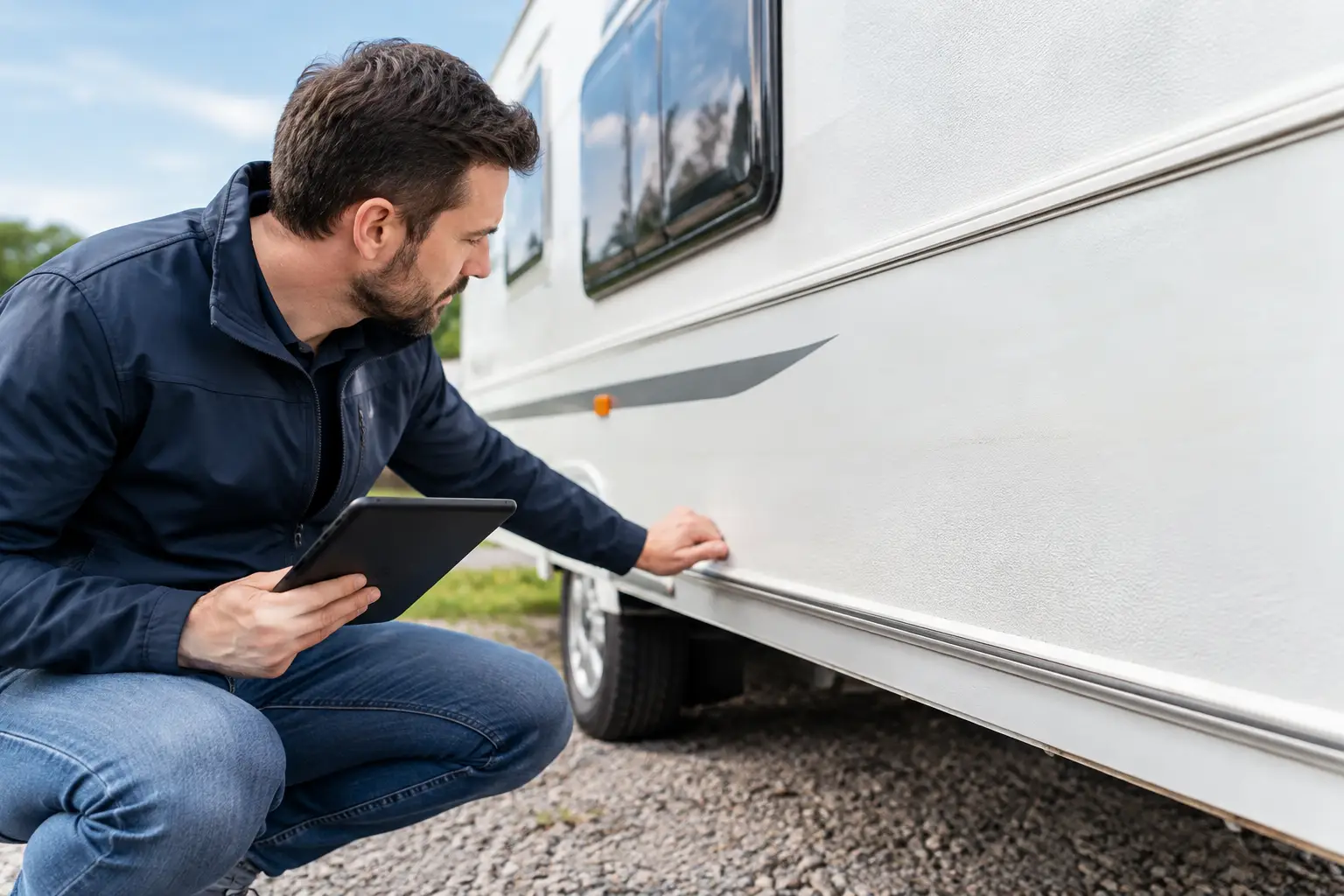
Whatever route you take, having the right information ready helps you receive a more accurate valuation. Gather the make, model, year, layout, registration number if applicable, VIN or chassis number, service records, damp reports and details of any finance. Take honest photographs, including faults rather than trying to hide them.
The V5C is useful, but do not assume a missing document prevents a sale. A buyer may still be able to proceed after checking the caravan’s identity and ownership position. Be equally open about keys, manuals, appliances, spare wheels and included accessories. These details influence both value and how quickly a buyer can make a decision.
If the caravan cannot be moved, say so at the start. A responsible buyer can plan suitable collection rather than arriving with equipment that is not appropriate for the condition of the caravan. This matters particularly where tyres have perished, brakes are seized or the caravan has been standing for years.
How to protect yourself during the sale
Price matters, but payment and paperwork matter just as much. Confirm who you are dealing with, agree the price before collection where possible and do not release the caravan until payment has reached your bank account as cleared funds. A proper buyer should be comfortable explaining the process in plain language.
Keep copies of messages, the agreed price and any receipt. Complete the ownership transfer promptly, notify your insurer and cancel storage arrangements only after collection is confirmed. If there is outstanding finance, obtain the settlement figure early. A direct buyer may be able to help settle it as part of the transaction, but this must be agreed clearly before the sale.
For owners across Scotland, WR Motorhomes offers a direct-buy route with a free valuation, competitive offer, free collection and instant bank-transfer payment. The aim is not to pretend every caravan has the same value, but to give a realistic offer and remove the practical burden of selling it.
The right method is the one that fits your circumstances, not the one with the most attractive figure in an advert. If you want to test the market and have time, a private sale may be worthwhile. If you need a dependable, fee-free exit with collection arranged, getting a no-obligation valuation is a sensible first step.