A motorhome that has sat on the drive since last summer can feel like a bigger job to sell with every passing month. The good news is that motorhome sale preparation does not need to mean spending weeks polishing, repairing and advertising it. A few sensible checks can help you present the vehicle honestly, avoid surprises and make the sale far easier.
Whether you are downsizing, dealing with an inherited vehicle or simply no longer using your campervan, the aim is the same: know what you are selling, have the key items to hand and choose a sale route that suits its condition.
Motorhome sale preparation starts with an honest assessment
Start by walking around the motorhome in daylight and making a simple note of its condition. Look at the bodywork, windows, tyres, roof, awning, interior furniture and upholstery. Switch on the lights, taps, heating and fridge if practical. You are not trying to carry out a professional inspection. You are gathering a clear picture of what works, what does not and what a buyer needs to know.
Pay particular attention to signs of damp or water ingress. A musty smell, soft wallboard, staining around rooflights or windows, bubbling surfaces and discoloured cupboards should all be mentioned. Damp can affect value, but hiding it usually creates a problem later. The same applies to engine faults, warning lights, an expired MOT, accident damage or a vehicle that will not start.
Being upfront does not automatically make a vehicle unsellable. Many owners assume they must repair every defect before speaking to a buyer. That depends on the repair. A small, affordable job that makes the motorhome safer or easier to assess may be worthwhile. Major mechanical work, damp repairs or cosmetic refurbishment can cost more than they add to the sale price, particularly on older vehicles.
Clean it enough to be properly seen
A clean motorhome makes a better first impression and lets a buyer assess it properly. Remove personal belongings from lockers, cupboards, the garage area and cab. Take out old food, bedding, paperwork you do not need and any items that will not be included in the sale.
Give the kitchen, washroom and living area a straightforward clean. Vacuum the floor, wipe surfaces, empty bins and clear the cassette toilet if fitted. Outside, a basic wash can make a real difference, especially around the cab, alloy wheels and entrance door. There is no need to disguise age with heavy air fresheners, fresh paint or temporary fixes. Clean, dry and truthful is far more useful than looking artificially showroom-ready.
If the vehicle has been standing, air it out on a dry day. Open lockers and cupboards where possible. This can reduce stale smells and gives you a chance to spot anything that needs to be declared.
Do not throw away useful extras
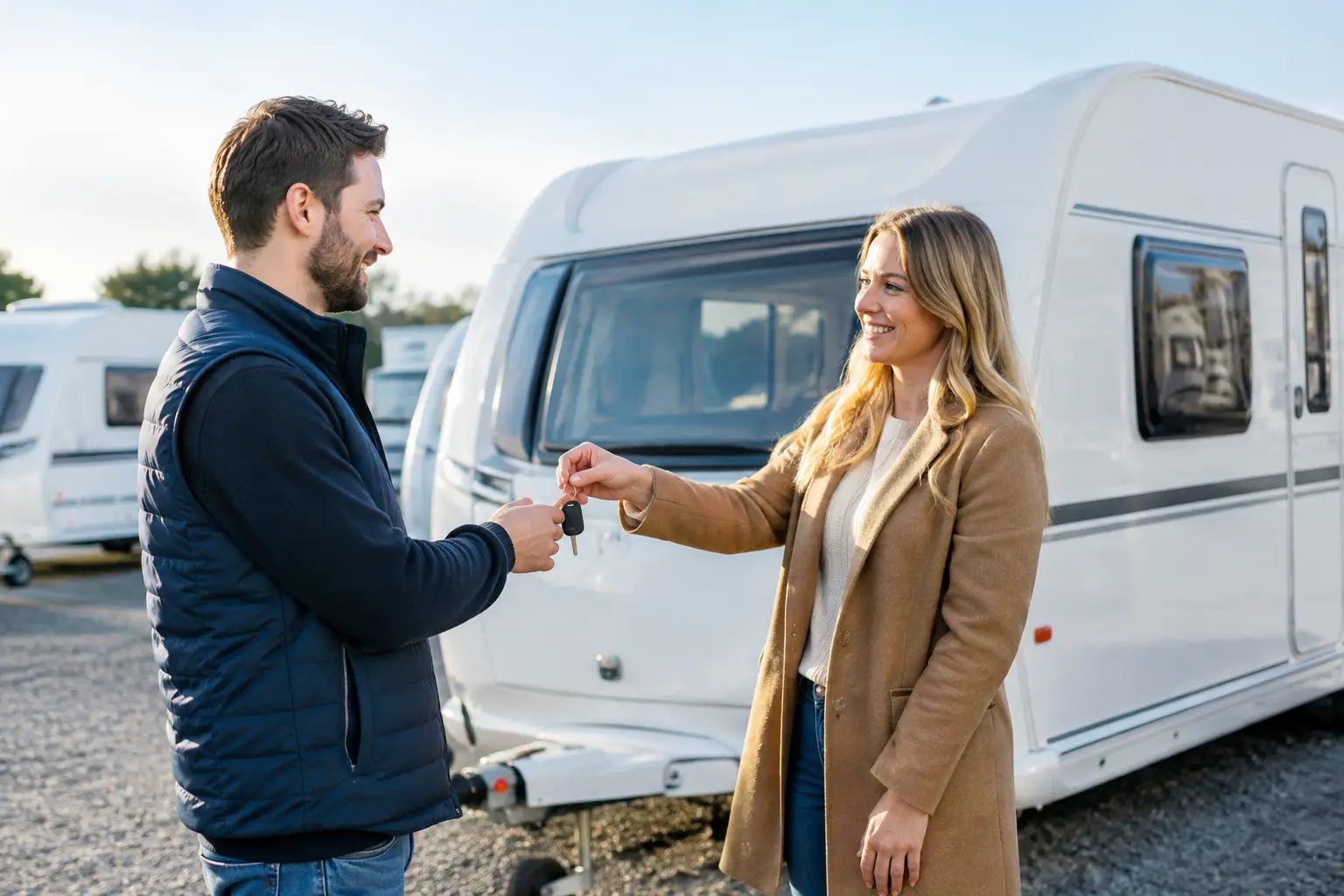
Keep together the items that belong with the motorhome. These may include keys, alarm fobs, wheel brace, spare wheel equipment, hook-up lead, levelling ramps, manuals, service invoices, appliance booklets and any removable tables or cushions. A complete set of keys and supporting documents gives a buyer confidence and saves last-minute searching.
It is worth separating included accessories from items you plan to keep. For example, a bike rack fixed to the vehicle may be expected to remain, while portable camping equipment may not. Agreeing this early avoids misunderstandings on collection day.
Gather the paperwork before discussing a price
The V5C registration document is the main item buyers expect to see. Check that your name and address are correct and that the vehicle registration and VIN match the motorhome. If you do not have the V5C, do not panic. You can still ask for a valuation, but say so from the outset and be ready to explain why it is missing.
Also gather the latest MOT certificate if you have it, service history, habitation check records, receipts for repairs and any paperwork relating to upgrades. A full history can support the value, but an incomplete file does not rule out a sale. Plenty of older motorhomes have gaps in their records. Accurate information about what is available is more useful than trying to reconstruct a perfect history.
If there is outstanding finance, check the settlement figure directly with the finance provider. You need to know the exact amount required to clear the agreement, not just the monthly payment. A professional buyer can often help structure the transaction, but the finance must be settled before ownership can transfer cleanly.
For an inherited motorhome, keep any relevant executor or probate paperwork available. The exact requirements vary, but explaining the situation early allows the buyer to tell you what will be needed.
Decide whether repairs are worth doing
This is where sellers can lose time and money. Replacing a blown bulb, fitting a wiper blade or putting some air in a tyre is one thing. Booking expensive engine work, replacing aged tyres across the vehicle or tackling a suspected damp issue is another.
Ask two questions: will the repair make the vehicle safer to move or inspect, and is the likely increase in value more than the repair cost? If the answer to either is unclear, get a valuation first. You may find that selling as it stands is the more sensible option.
A direct buyer will usually want to know about known faults before making an offer. Clear photos and a description of the issue can help. For a non-runner, say when it last ran, whether it has keys and whether it is accessible for collection. For accident damage, explain what happened if you know, and whether an insurer has recorded the vehicle.
Prepare clear details for a valuation
Before requesting a valuation, note the registration number, make, model, year, mileage, layout and the postcode where the motorhome is kept. Mention major features such as automatic transmission, a rear lounge, fixed bed, extra berths or a large garage, but do not worry if you do not know every specification.
A handful of recent photographs is useful. Include the front and both sides, rear, cab, lounge, kitchen, washroom, sleeping area and any visible damage. Photograph the odometer and the V5C front page only if requested, keeping personal information protected until you are comfortable with the buyer.
The more accurate the information, the more realistic the initial figure is likely to be. Condition, mileage, age, layout, seasonality and current demand all affect value. Two apparently similar motorhomes can command different prices because one has a desirable layout, better history or less evidence of damp.
Choose a sale route that fits the vehicle and your timescale
A private sale can sometimes achieve a higher headline price, particularly for a clean, sought-after model with strong service history. It also means creating adverts, arranging viewings, answering messages, negotiating and managing payment securely. For some owners, that effort is acceptable. For others, especially where the vehicle has faults or has been unused for a long time, it is simply not worth the uncertainty.
Part exchange may be convenient if you are buying another leisure vehicle, although the allowance offered can be tied to the price of the replacement. A direct sale gives you a clearer view of what you are receiving and can be a practical option when you want a quick, managed transaction.
WR Motorhomes buys motorhomes, campervans and caravans across Scotland in all sorts of conditions, including older stock, non-runners, MOT failures, water-damaged vehicles and insurance write-offs. That means you do not need to spend money making a difficult vehicle look perfect before asking what it is worth.
Plan collection and payment properly
Before collection, remove your belongings, check every locker and take your number plates or documents only where this is legally appropriate. Keep the V5C ready and make sure you understand how the DVLA ownership transfer will be completed. A reputable buyer should explain this clearly rather than leaving you to guess what happens next.
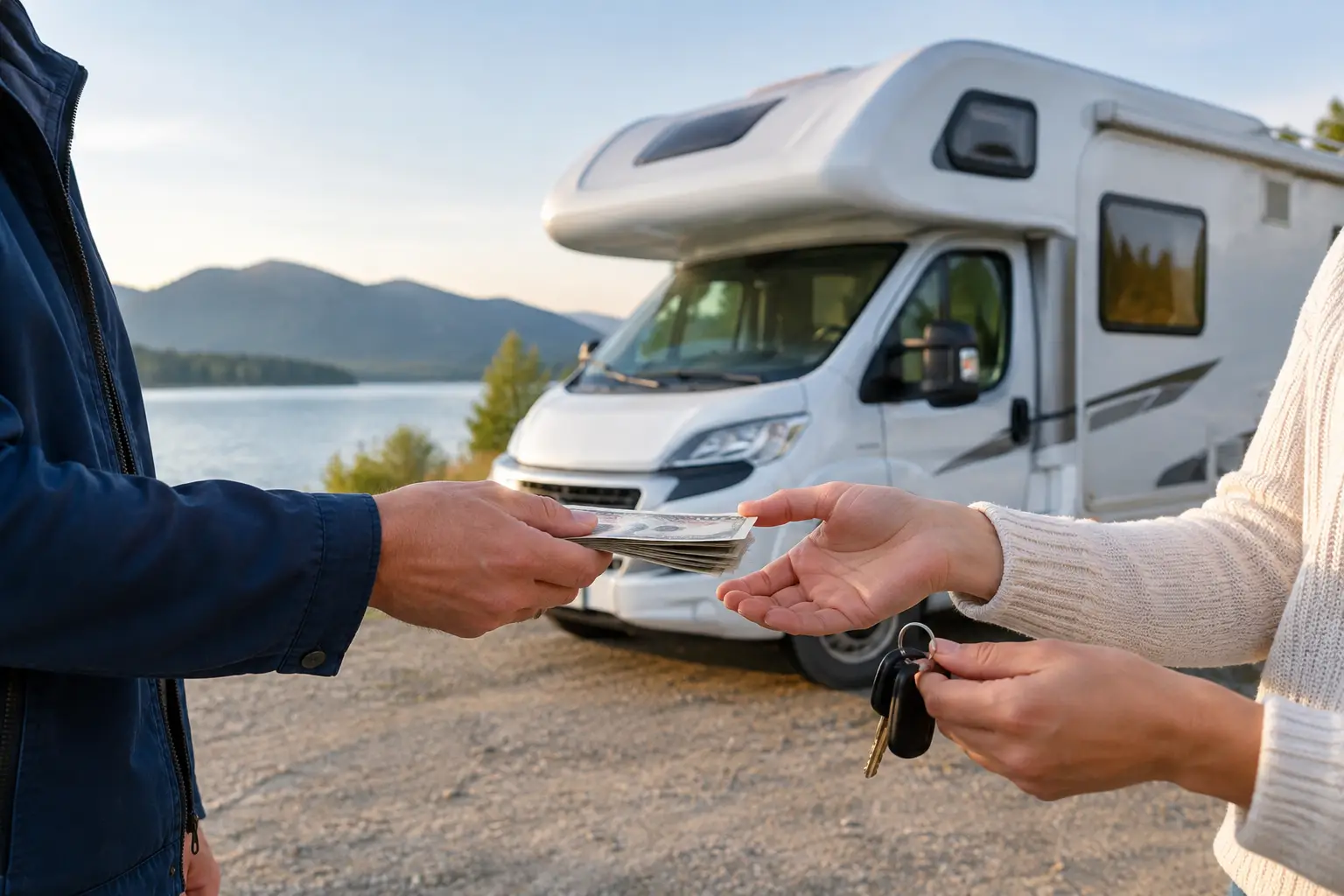
Never hand over the keys solely on the promise of a later payment. Confirm the funds have arrived and cleared in your bank account before the vehicle leaves. If collection is being arranged for a non-runner or damaged motorhome, make the buyer aware of narrow access, steep drives, low branches, storage sites or other practical issues in advance.
The best preparation is not about making your motorhome something it is not. It is about clearing it out, gathering what you have, describing it honestly and choosing a buyer who can deal with the vehicle in its real condition. That leaves you free to move on without another season of unused keys sitting in a drawer.