A motorhome that is 15, 20 or even 30 years old can still be a well-loved, usable touring vehicle. But to value older motorhomes fairly, you need to look beyond the registration year and the original brochure price. A clean, dry and cared-for older vehicle may be worth far more than a newer example with neglected habitation issues. Equally, a smart-looking motorhome can lose value quickly if there is hidden damp, mechanical trouble or missing paperwork.
The fairest figure is not simply the highest number someone might advertise online. It is a realistic value based on the vehicle’s condition, specification, demand and the type of sale you need. That matters particularly if the motorhome has been sitting unused, was inherited, has failed an MOT or needs work before its next trip.
What does a fair valuation really mean?
A fair valuation reflects what the motorhome is likely to achieve in its present condition, not what a perfect version might sell for after repairs, preparation and months on the market. It should account for both the good points and the costs or risks a buyer will take on.
For example, an older Auto-Sleeper, Swift, Burstner, Hymer or VW campervan with a sound body, sensible mileage and a good layout may remain very desirable. Proven models often hold interest because buyers know the layout, parts are available and the vehicle has a loyal following. On the other hand, age-related wear, dated equipment and a short MOT can all affect what a buyer is prepared to pay.
There is also a difference between a private-sale asking price, a dealer retail price and a direct-purchase offer. A dealer may advertise at a higher figure because they have prepared the vehicle, provided a warranty and allowed for premises, staffing and stock costs. A private seller may achieve more than a trade buyer in some cases, but they take on advertising, viewings, negotiations, payment concerns and the chance of a sale falling through. Neither route is automatically right. The fair option depends on your priorities.
Value older motorhomes fairly by identifying the exact vehicle
Start with the basics. The make, model, year, mileage, engine size, gearbox, number of berths and body style all shape the value. An A-class motorhome, coachbuilt, panel-van conversion and American RV serve different buyers, so they should not be compared as though they are interchangeable.
The layout is often as important as the badge. A rear lounge, fixed single beds, a low-profile body, automatic gearbox or compact two-berth design can make an older vehicle more appealing to a particular buyer. Conversely, a layout that feels cramped, has limited payload or has an awkward washroom may narrow the market.
Check the VIN plate and V5C carefully, then gather the service history, MOT certificates, invoices and manuals. A complete history is helpful, but its absence does not make a motorhome worthless. It simply means a buyer has less evidence to work from and may need to allow for more uncertainty.
The base vehicle matters too. Buyers will consider the engine, gearbox, tyres, brakes, clutch, timing belt or chain history, warning lights and MOT advisories. A motorhome with 60,000 miles that has been regularly maintained can be a safer prospect than one with very low mileage that has stood idle for years.
Condition matters more than age alone
Older motorhomes are expected to show some use. Faded graphics, worn upholstery, small marks on cupboards and dated blinds are usually cosmetic points, not deal-breakers. They should reduce the value sensibly, but they do not automatically prevent a sale.
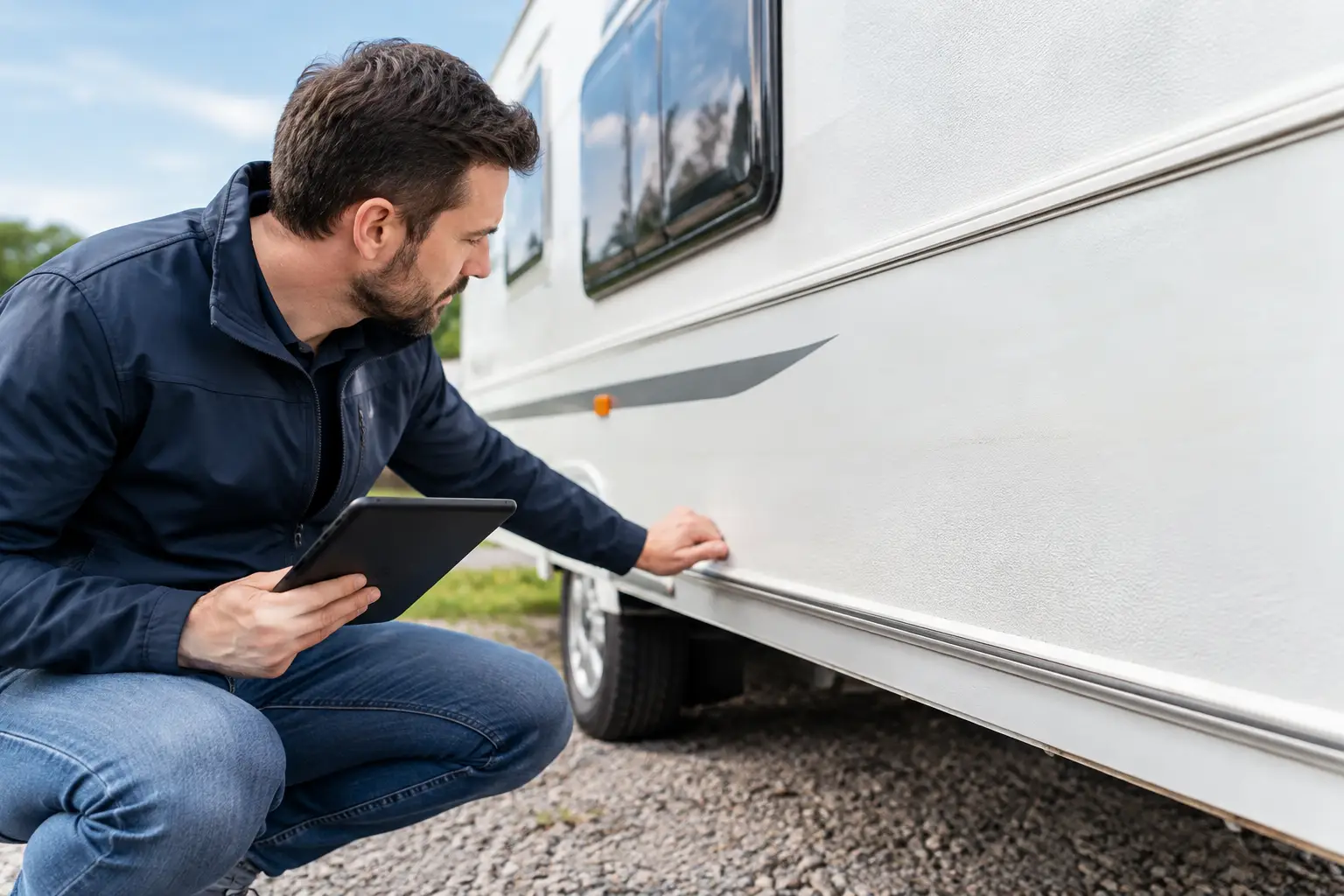
The bigger issues are those that affect safety, usability or structural condition. Damp is the main concern. Water ingress around rooflights, windows, seals, lockers and the rear wall can lead to soft floors, stained panels, mouldy smells and expensive timber repairs. A recent damp report showing a dry habitation area is valuable evidence. If there is known damp, be open about it. A realistic buyer can still make an offer, but the repair risk must be reflected in the price.
The same applies to appliances. Test the heating, hot water, fridge, hob, toilet, lights, leisure battery and hook-up where possible. Not every fault needs fixing before sale. Replacing a failed fridge, fitting new tyres or repairing a cracked shower tray can cost more than it adds to the final value, especially on an older model. It is often better to describe faults honestly and let the buyer price the work in.
Accident damage, non-running engines, gearbox faults and MOT failures also need not end the sale. They do change the market. A buyer who can collect and repair the vehicle may see potential where a private buyer sees a problem, but they will reasonably deduct for transport, labour, parts and risk.
Compare like with like, not just online adverts
Online listings can be useful for getting a sense of demand, but advertised prices are not confirmed sale prices. Some vehicles remain listed for weeks or months because the price is too ambitious. Others have been upgraded, fully prepared or include extras that yours does not.
When comparing examples, look for the same model generation, layout, engine and approximate condition. Pay attention to whether a vehicle has a current MOT, recent habitation checks, evidence of dry construction, new tyres or a major service. These details can explain a substantial price difference.
Try not to anchor your expectations to the price paid years ago or to what a neighbour’s newer motorhome sold for. Leisure vehicles do not depreciate in a straight line. Desirable, well-maintained models can hold up well, while a vehicle needing major repairs can fall sharply in value regardless of its age.
Prepare the information, not a costly makeover
A clean, honest presentation helps a valuation. Remove personal belongings, clear the lockers and take clear photographs in daylight. Include the cab, exterior, lounge, kitchen, washroom, tyres, odometer and any areas of damage. If there are damp marks, cracked panels or missing trim, photograph those too. Being upfront saves time and prevents a price changing after inspection.
Have the keys, V5C, service records and finance details ready. If there is outstanding finance, it can often be settled as part of the sale process, provided the figures are clear. If the V5C is missing, that may add administration, but it does not always stop a buyer from considering the vehicle.
There is no need to spend hundreds of pounds polishing an older motorhome into something it is not. A basic clean and accurate description are more useful than hiding faults with temporary repairs. Buyers who regularly assess older leisure vehicles can usually spot rushed preparation.
When a direct offer may be the fairer route
Selling privately may suit an owner with time, a well-presented vehicle and the confidence to manage enquiries, viewings and negotiation. For some people, it is worth the effort. For others, particularly where the vehicle is off-road, damaged, inherited or simply no longer wanted, a direct sale is a more practical choice.
A professional buyer should ask sensible questions before offering, including the model, condition, mileage, MOT, damp history and known faults. They should also explain how collection, payment and ownership transfer will work. The offer may be below a dealer’s advertised retail figure, but it should be clear, realistic and free from surprise deductions for issues already disclosed.
At WR Motorhomes, older motorhomes are assessed on their individual merits, including vehicles with damage, failed MOTs, damp or incomplete history. Free collection across Scotland and instant bank-transfer payment can remove the difficulty of moving a vehicle that is no longer roadworthy, while the ownership-transfer paperwork is handled at the same time.
Before accepting any offer, ask when payment will clear, whether collection is included, what documents are needed and whether the agreed price is subject to inspection. A straightforward answer to these questions is a good sign. Never hand over the motorhome until cleared funds are in your bank and the transfer arrangements are understood.
A fair valuation is ultimately one that matches the motorhome you have, the work it may need and the certainty you want from the sale. Honest details give the buyer room to make a proper offer and give you the confidence to move on without the worry of an unfinished deal.