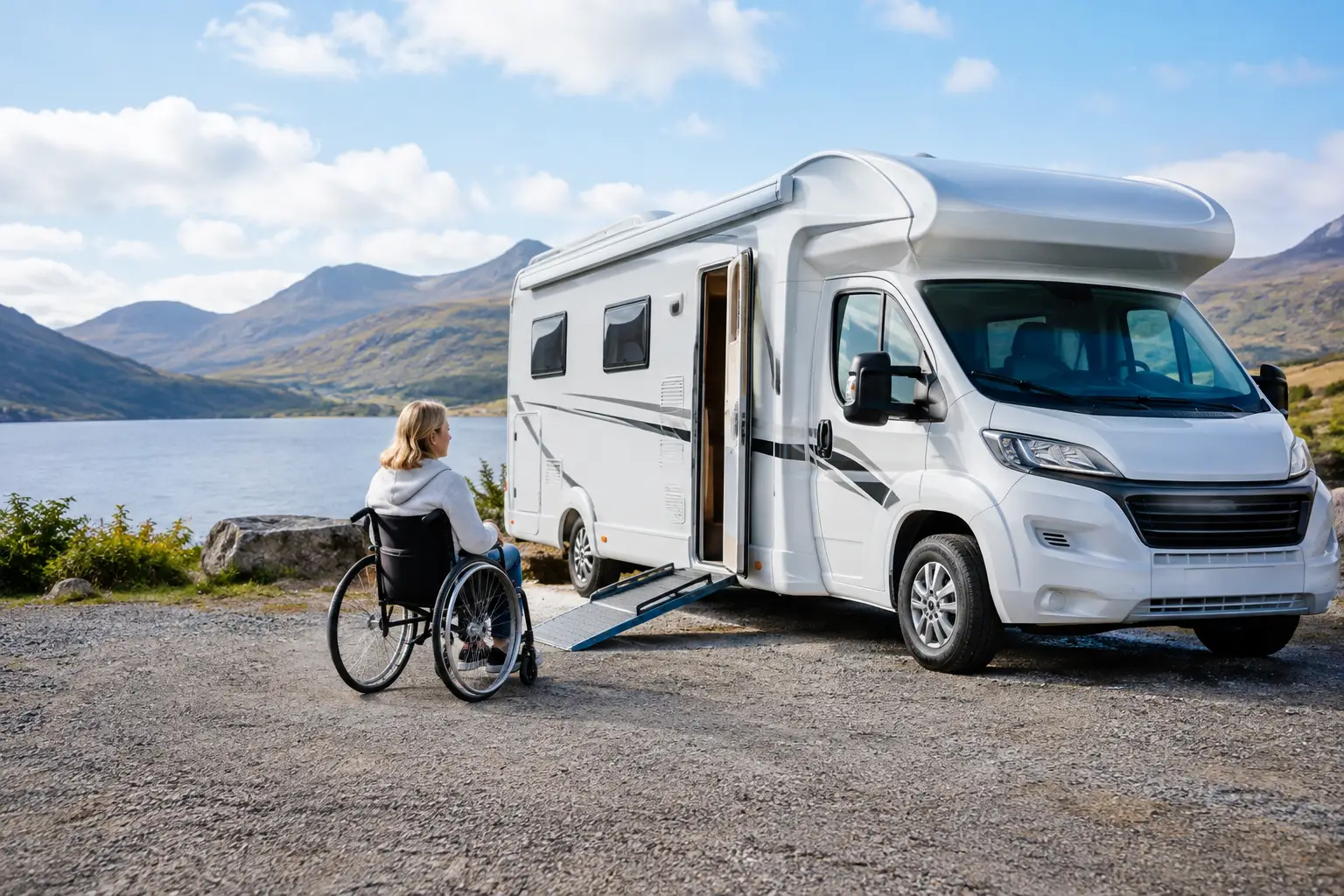
A motorhome parked on the drive can quickly become a source of pressure when it is no longer being used. Perhaps a planned tour has changed, a family member has stopped travelling, or the vehicle needs repairs that no longer feel worthwhile. When weighing up classified ads versus direct sale, the key question is not simply which route might produce the highest figure. It is which route gives you a fair result with the least uncertainty, effort and delay.
For some owners, advertising privately is the right choice. For others, particularly where time matters or the vehicle has issues, selling directly to a professional buyer is the more practical option. The best decision depends on your motorhome, campervan or caravan, your available time and how much of the selling process you want to manage yourself.
Classified ads versus direct sale: the real trade-off
A classified advert puts you in control of the asking price. You choose the photographs, write the description and deal with enquiries yourself. If your vehicle is desirable, well presented, fully documented and you can wait for the right buyer, a private sale may achieve more than a trade offer.
That higher headline price is not the same as a higher final return, though. A private seller needs to allow for advertising costs, preparation, repairs, cleaning, insurance, viewings and the possibility of reducing the price after weeks without serious interest. There is also the value of your own time. Answering messages, taking calls in the evening and waiting in for people who may not arrive all form part of the sale.
A direct sale usually offers a different balance. A professional buyer assesses the vehicle, makes a cash offer and, if accepted, arranges collection and payment. The offer reflects the buyer taking on the work and risk of preparing, transporting and reselling the vehicle. You may receive less than the most optimistic private-sale asking price, but you gain certainty over the amount, timing and process.
For an owner who wants to sell quickly, has an unused vehicle taking up space, or does not want strangers visiting their home, that certainty can be worth far more than holding out for an extra amount that may never materialise.
What selling through classified adverts involves
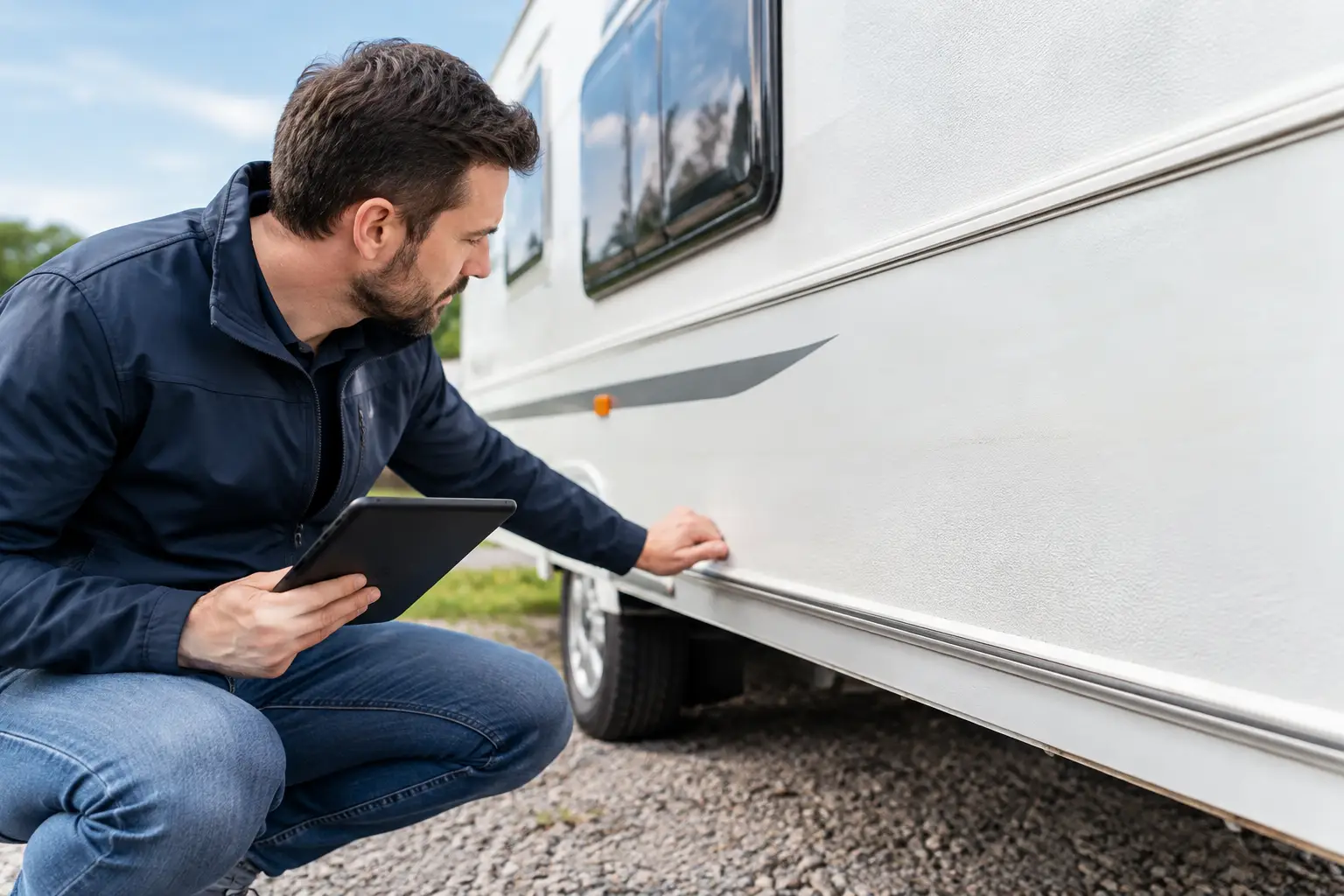
It is easy to see private advertising as a matter of taking a few photographs and posting an advert. Leisure vehicles tend to need more care than that. Buyers often expect detailed information about the habitation area, service records, damp checks, mileage, MOT history, payload, berths, heating, water systems, tyres and any fitted extras.
A vague description can attract unsuitable enquiries. An overly positive description that overlooks faults can create trouble when a buyer arrives and finds something different from what they expected. Being honest is essential, especially about damp, water ingress, accident damage, mechanical faults, warning lights or missing paperwork. It protects you from wasted journeys and helps avoid disputes after a sale.
The time commitment can be substantial
Motorhome and caravan buyers often travel long distances to view a vehicle. They may want to inspect it in daylight, test appliances, look underneath, check every cupboard and take a test drive where appropriate. A serious buyer will reasonably ask questions. Less serious callers may simply be comparing options or hoping for a large discount.
You also need to decide how to handle test drives, proof of insurance and keys. Meeting a stranger at your home is not automatically unsafe, but it requires sensible precautions. Do not hand over a vehicle or its documents until payment has cleared in your bank account, and take care with any request to pay by unusual methods or to send deposits through unfamiliar channels.
The price may change after a viewing
Negotiation is part of a private sale. A buyer may agree an asking price by telephone, then point to tyre wear, cosmetic marks or a missing service stamp to seek a reduction in person. Sometimes that is fair. Sometimes it is a pressure tactic, particularly if they know you want the vehicle gone.
This does not mean classified adverts are a poor choice. They can work well for clean, ready-to-use vehicles with strong demand, where the owner has time to market the vehicle properly and is comfortable dealing with the process. It does mean the advertised figure should not be confused with a guaranteed sale price.
Why a direct sale suits many Scottish owners
Direct sale is designed for owners who want a clear route from valuation to collection. Rather than preparing an advert and waiting for interest, you provide the vehicle details and condition. A buyer can then make a realistic offer based on its age, specification, mileage, history and any work it needs.
At WR Motorhomes, the aim is to make that process straightforward: a free valuation, a competitive offer, free collection and instant bank-transfer payment when the sale is completed. The ownership transfer can also be handled with you, so there is no uncertainty over the DVLA side of the transaction.
This approach is especially useful when a vehicle is not an easy private sale. Not every owner wants to spend money repairing a failed MOT, investigating damp, replacing an appliance or arranging recovery for a non-runner before they can sell. A direct buyer can assess vehicles in every condition, including older motorhomes, accident-damaged campervans, insurance write-offs, water-damaged caravans and vehicles with incomplete service history.
That does not make condition irrelevant. It affects value in any sale. The difference is that you can receive an offer based on the vehicle as it stands, rather than being expected to make it look retail-ready first.
Price, speed and convenience: decide what matters most
There is no single answer to which method is best. Think about the sale in terms of three practical priorities: price potential, speed and convenience.
A private classified advert offers the strongest price potential where demand is high and the vehicle is in appealing condition. It also gives you the freedom to wait. If you have a sought-after VW campervan conversion, a tidy touring caravan with a good history, or a modern motorhome ready for the season, this may be worthwhile.
A direct sale generally wins on speed and convenience. It is often the sensible option if you need cleared funds promptly, have inherited a vehicle, are downsizing, are moving home, or simply do not want weeks of calls and viewings. It is also a practical route where the vehicle cannot be driven, is stored away from home or needs work that makes private buyers hesitant.
Be realistic about the numbers. If a private advert attracts an offer only slightly above a direct-buy offer, consider what you will spend and risk to achieve the difference. A professional valet, an MOT, repairs, advert fees, fuel for viewings and several weekends at home can narrow the gap quickly. If your private buyer later withdraws, you are back at the start.
Paperwork and payment should never be an afterthought
Whichever option you choose, gather what you have before seeking a valuation or placing an advert. The V5C, service records, MOT information, manuals, spare keys, invoices and details of finance are all useful. Missing documents do not always prevent a sale, but they should be declared early so the buyer can assess the situation properly.
If there is outstanding finance, do not assume it will disappear once the vehicle changes hands. A reputable direct buyer can explain what information is needed and how settlement can be dealt with as part of the transaction. With a private sale, you will need to be equally clear with the buyer and ensure the finance is settled correctly.
Payment needs the same care. Cleared bank transfer is normally the simplest option. Check the money has arrived in your own account before releasing the keys, vehicle or paperwork. A screenshot, email confirmation or promise that funds are pending is not the same as cleared payment.
A sensible way to choose
Start by getting an honest view of the vehicle’s condition and likely market appeal. If it is clean, popular and ready to use, and you are happy to manage enquiries and negotiate, a classified advert could suit you. Set a realistic price, disclose faults and give yourself enough time.
If your priority is a quick, managed sale with no advertising, no home viewings and no need to organise collection, request a direct valuation instead. Be accurate about condition from the outset. Clear photographs and straightforward answers help produce an offer that reflects the vehicle properly and reduces the chance of surprises on collection day.
The right sale route is the one that leaves you comfortable with both the price and the process. If you would rather have a fair offer, secure payment and the vehicle collected without the usual private-sale chase, a no-obligation valuation is a useful first step.