A motorhome that is no longer being used can quickly become an expensive thing to keep. There is insurance, storage, servicing, MOTs and the worry that it will deteriorate while sitting on the drive. A reliable motorhome collection service that Scottish owners can use removes the hardest part of selling: finding a genuine buyer, agreeing a fair price and getting the vehicle safely collected.
For many owners, selling privately sounds straightforward until the messages start arriving. Some buyers want a viewing at short notice, others make offers without seeing the vehicle, and a few simply do not turn up. If your motorhome is older, needs repairs or will not start, arranging viewings can feel even less realistic. A direct-buy collection service offers a practical alternative: one valuation, one agreed sale, and collection arranged around you.
What a motorhome collection service should include
Collection should be more than someone arriving to drive your motorhome away. A properly managed sale covers the details that matter when ownership and a substantial payment are changing hands.
Start with a free, no-obligation valuation based on the make, model, age, mileage, layout, condition and market demand. Be honest about faults from the outset. Damp, body damage, an expired MOT or an incomplete service record does affect value, but it does not automatically mean your motorhome cannot be sold.
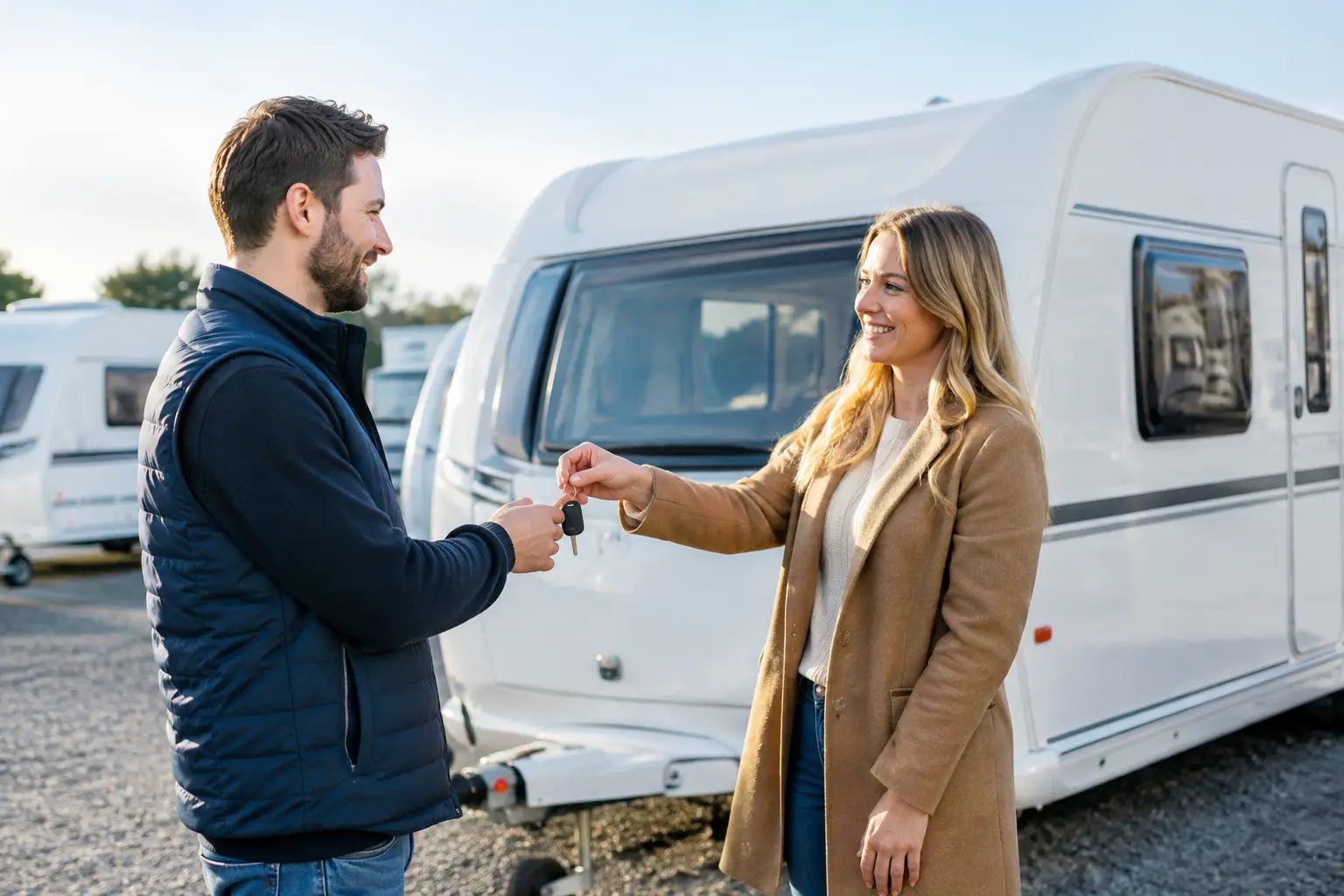
Once an offer is agreed, collection should be free and confirmed for a convenient time. Payment should be made by bank transfer and cleared before you hand over the keys. The buyer should also explain how the DVLA ownership transfer will be completed, so you are not left wondering whether the vehicle is still registered in your name.
At WR Motorhomes, the aim is to keep these steps clear and straightforward, rather than asking owners to manage transport, paperwork and uncertain payments themselves.
Why free collection matters across Scotland
A motorhome may be perfectly usable but still awkward to take to a dealer. You might not have someone available to follow you home, may no longer feel comfortable driving it, or may be selling it from a storage site. If it is a non-runner, accident-damaged or has no MOT, moving it can require specialist transport.
This is where a nationwide motorhome collection service in Scotland makes a genuine difference. Whether the vehicle is in Aberdeenshire, Glasgow, Edinburgh, Inverness, Ayrshire or a more rural location, the collection plan needs to suit the condition of the vehicle and its access point.
A driveable motorhome may be collected by a professional driver. A vehicle that cannot be driven safely may need to be transported instead. This is not a detail to gloss over when requesting a valuation. Mentioning flat batteries, seized brakes, tyre condition, restricted access, damage or whether the vehicle is on a driveway helps the buyer arrange the right collection method first time.
Selling a motorhome in any condition
The private market tends to favour clean, ready-to-tour vehicles with a current MOT and a full folder of paperwork. That can leave owners of older or problem vehicles feeling stuck. In reality, there is a buyer for many vehicles that would be difficult to advertise privately, provided the valuation reflects their true condition.
A direct buyer can consider coachbuilt motorhomes, A-class and B-class models, American RVs, VW campervans and conversions, as well as touring caravans. The vehicle does not need to be showroom-ready. Common situations include water ingress, damp, mechanical faults, electrical issues, crash damage, insurance write-offs and long periods off the road.
There is a trade-off to understand. A motorhome with major repairs required will not achieve the price of an equivalent retail-ready example. However, a realistic direct offer can still be worthwhile when set against repair bills, advertising costs, storage, wasted viewings and the time involved in a private sale. The right decision depends on whether you want the highest possible price over time or a certain, managed sale now.
The information needed for an accurate offer
The best valuations are based on facts, not optimistic guesses. Before getting in touch, gather the registration number, make and model, year, mileage and a few clear photographs. Photos of the exterior, interior, cab, kitchen, washroom and any damaged areas give a much better picture than a brief description alone.
It also helps to say whether there is a current MOT, service history, spare keys and a V5C log book. Do not worry if something is missing. A lost V5C or patchy history does not necessarily stop a sale, but it must be discussed early so the right checks and paperwork can be arranged.
If there is outstanding finance, be upfront about it. A buyer will need the settlement figure and finance provider details. In some cases, a sale can still go ahead with the finance settled as part of the transaction, but the figures and process need to be agreed in advance. No reputable buyer should be vague about this.
A simple four-step sale process
The process should feel controlled from the first enquiry, not like an open-ended negotiation. It usually begins with your vehicle details and photographs. You receive a free valuation and a competitive cash offer based on the information supplied.
If the offer works for you, collection is booked at a suitable date and location. Before collection, confirm exactly what documents, keys and accessories are available. This avoids last-minute surprises and helps the handover run smoothly.
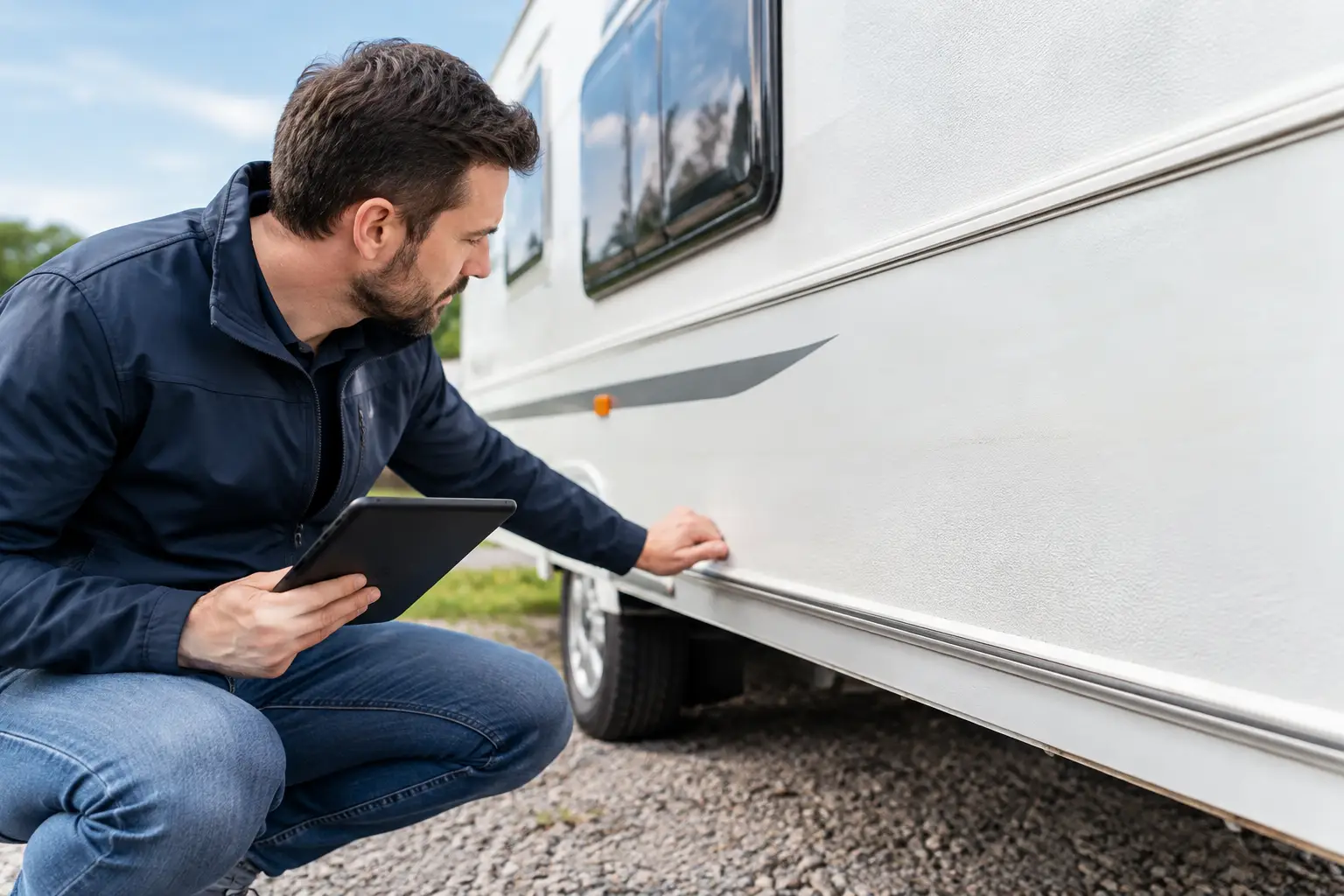
On the day, the vehicle is checked against the description. Normal age-related wear is one thing; undisclosed significant faults are another. A transparent seller and a transparent buyer make this stage simple. Assuming everything matches the agreed details, payment is sent by bank transfer and confirmed as cleared before the vehicle is released.
Finally, the ownership transfer is completed with DVLA support. Keep a record of the sale and the buyer’s details for your own files. It is a small administrative step, but it gives valuable peace of mind after the motorhome has gone.
Questions owners often ask
Do I need a current MOT?
No. A current MOT can help value, but an expired MOT does not prevent collection or a sale. Tell the buyer whether the motorhome starts, moves and has any known faults so collection can be planned safely.
Can you collect a non-running motorhome?
Yes, provided the condition is explained in advance. Non-runners, damaged vehicles and long-term parked motorhomes may need recovery or transport rather than a driver collecting them on the road.
What if I have inherited the vehicle?
An inherited motorhome can bring extra paperwork and a lot of uncertainty, particularly if it has been unused for some time. Explain the situation when asking for a valuation. The documents required can vary, but a professional buyer should clearly set out what is needed before collection is booked.
Is a private sale always worth more?
Sometimes, particularly for a desirable, well-presented motorhome when you have time to wait for the right buyer. But the advertised price is not always the final price, and private selling brings viewings, negotiation, payment risk and collection arrangements. For owners who value certainty and speed, a direct offer can be the better outcome.
A motorhome should not have to remain on your driveway simply because selling it feels like too much work. With a fair valuation, free collection, cleared payment and the paperwork handled properly, you can move it on with confidence and make space for whatever comes next.