A motorhome sitting unused on the drive is not just taking up space. It may be costing you in insurance, storage, repairs and worry – especially when you are unsure what it is worth or how to sell it safely. A free motorhome valuation Scotland service gives you a sensible starting point, without the pressure of listing it online, arranging viewings or committing to a sale.
For many owners, the real value is in getting a clear answer and a straightforward route forward. Whether you are downsizing, dealing with an inherited vehicle, moving on from touring, or facing a repair bill that no longer makes sense, a valuation should be honest about the vehicle’s condition and realistic about the current market.
What a free motorhome valuation in Scotland should include
A proper valuation is more than a quick guess based on the registration number. Motorhomes vary hugely, even where two vehicles are the same make, model and year. Layout, mileage, servicing, habitation condition and the overall standard of care all affect what a buyer can pay.
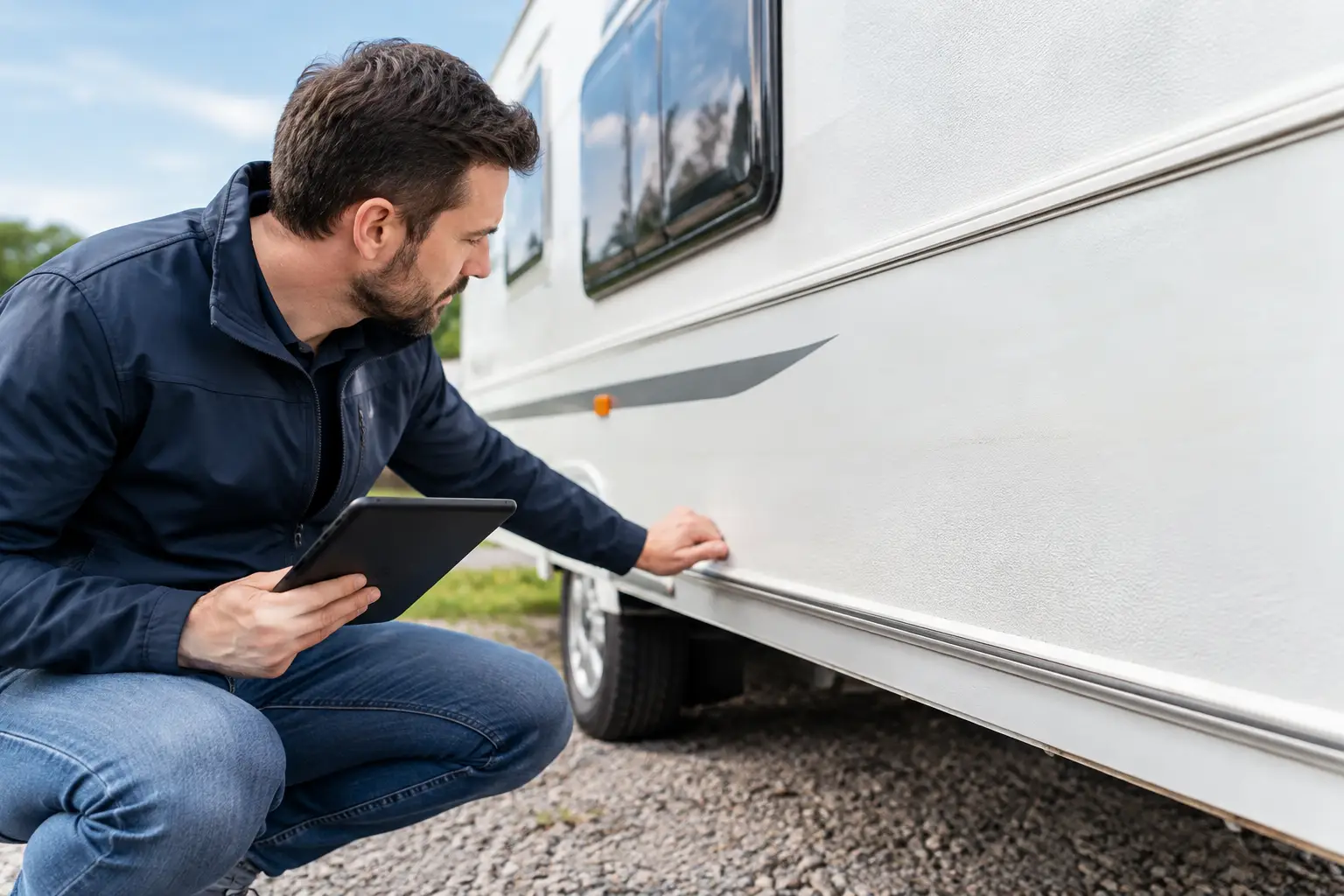
A reputable buyer will normally ask for the make and model, registration, year, mileage and a few details about the vehicle’s condition. Photos are particularly useful. Clear pictures of the outside, cab, lounge, kitchen, washroom and any damage allow a more accurate initial figure and help avoid surprises later.
The valuation should be free and carry no obligation. It is an indication of what the vehicle may achieve through a direct purchase, rather than an inflated advert price that assumes months of waiting for the right private buyer. A direct-sale offer may not match the highest price ever advertised for a similar motorhome, but it reflects the convenience of a managed sale, no advertising costs, no time-wasters and no collection to arrange yourself.
What affects your motorhome’s value?
Age and mileage matter, but neither tells the full story. A well-kept older coachbuilt motorhome with a sound habitation area can be more desirable than a newer example with damp, poor maintenance or expensive faults. Equally, a low-mileage vehicle that has stood unused for years may need attention to tyres, batteries, brakes and seals.
Condition is more important than perfection
Owners sometimes delay asking for a valuation because the motorhome has damp, a failed MOT or cosmetic damage. In practice, these issues do not automatically make it unsellable. They simply need to be described accurately so the likely repair work can be reflected in the offer.
Common issues that affect the figure include water ingress, soft floors or walls, engine or gearbox faults, broken appliances, accident damage, worn upholstery, missing keys and expired MOTs. A vehicle that will not start can still be valued and purchased. The key is openness from the beginning. A buyer who knows what they are collecting can plan properly and give a fairer, more dependable price.
Make, layout and type make a difference
Popular makes, practical layouts and sought-after berths can support a stronger value. Fixed beds, spacious lounges, automatic gearboxes and compact campervan conversions may appeal to different buyers, so there is no single rule for every vehicle.
The same applies across A-class motorhomes, coachbuilt models, VW campervans, American RVs, van conversions and touring caravans. An unusual or older vehicle may have a smaller market, but it can still be worth selling directly if private advertising is likely to be difficult or time-consuming.
History and paperwork help, but gaps are not always a barrier
A full service record, habitation checks, recent invoices and a V5C can all help demonstrate care and support a valuation. However, missing paperwork does not always prevent a sale. If you do not have the V5C, a professional buyer can explain what proof of ownership is needed and how the DVLA transfer can be handled correctly.
Be upfront about anything you do not have. Trying to fill gaps later slows the process down. If the motorhome has outstanding finance, mention it before accepting an offer. The settlement figure needs to be checked, and the finance must be cleared as part of a properly managed transaction.
Free valuation versus a private-sale price
It is easy to find ambitious prices on classified adverts. Those figures are not necessarily the amount a seller receives. Some vehicles remain advertised for weeks or months, with repeated price reductions, while the owner continues to pay for storage and insurance.
Selling privately can be worthwhile when you have time, the vehicle is in strong condition and you are comfortable handling enquiries, viewings, test drives, negotiation and payment checks. It can also bring uncertainty. Buyers may not turn up, may try to renegotiate on your driveway, or may expect you to deliver the motorhome after they have agreed a price.
A direct buyer takes a different approach. The offer is based on buying the vehicle outright, collecting it and taking responsibility for the next stage. It is usually the better fit when speed, simplicity and payment security matter more than chasing the highest possible private-sale figure.
How the valuation and sale process works
The best process is clear from the first conversation. You provide the basic vehicle details and explain its condition as honestly as possible. The buyer reviews the information and gives a no-obligation valuation or offer. If the figure works for you, a collection time is arranged around your availability.
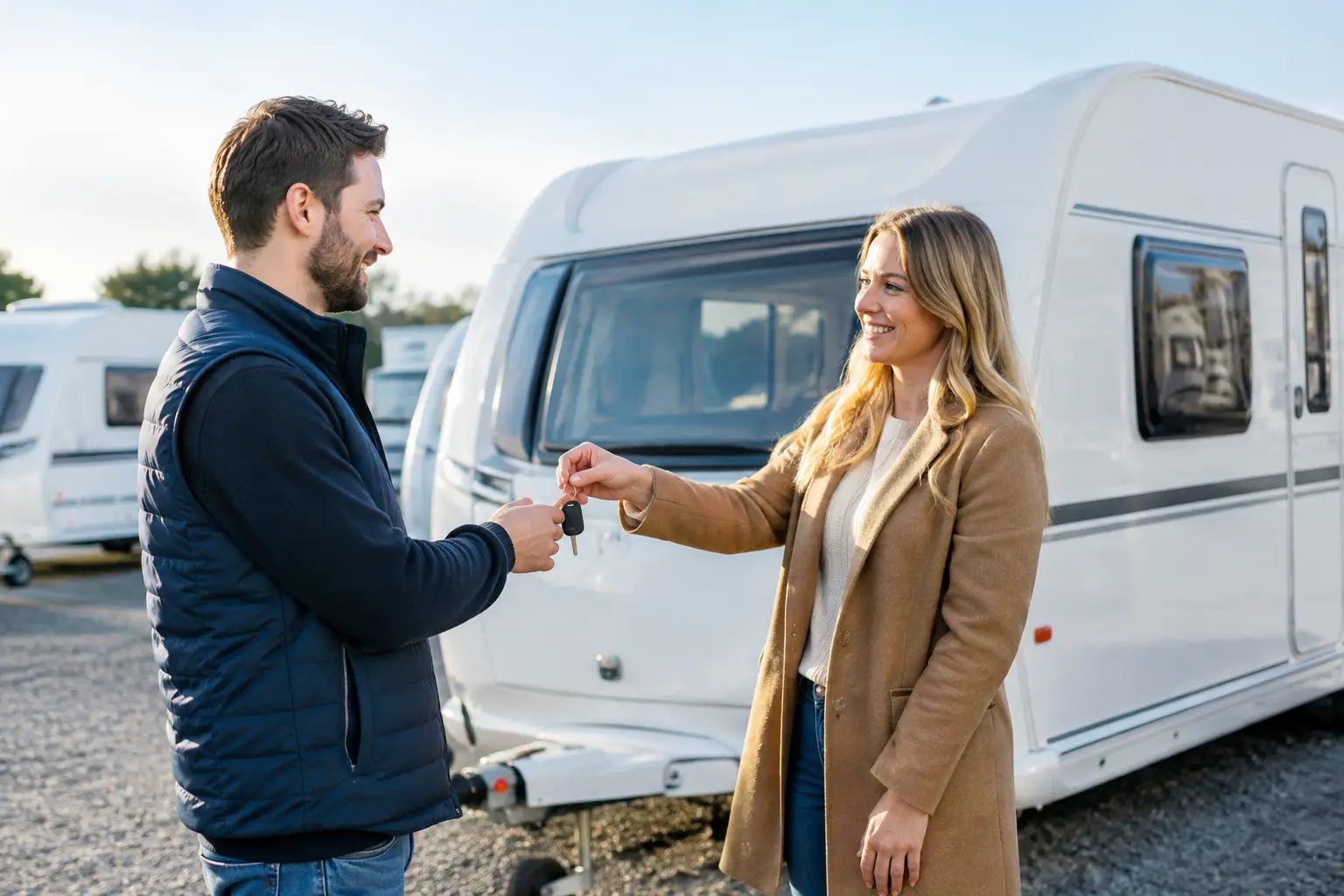
At collection, the vehicle is checked against the description. Assuming it is as outlined, payment should be made by instant bank transfer before you hand over the keys and vehicle. You should see cleared funds in your account, not rely on a screenshot, a promise of payment or a cheque.
The ownership transfer should also be dealt with properly. Keep your relevant records, ensure the buyer’s details are correct and follow the agreed DVLA process. This is one of the practical details that can be missed in a rushed private sale, but it matters for your peace of mind.
Free collection across Scotland removes a major obstacle
Collection is particularly valuable for vehicles that are off the road, parked some distance away or not safe to drive. Transporting a large motorhome with a fault is not a job most private sellers want to take on. It can be even more awkward with an MOT failure, accident damage or a caravan that has been standing for a long period.
A buyer offering free collection should make the arrangements clear in advance. Tell them if access is tight, the vehicle is on a steep drive, tyres are flat, or it cannot move under its own power. That information helps ensure the right collection equipment is sent and prevents a frustrating delay on the day.
For owners in rural areas as well as towns and cities across Scotland, collection means the sale does not depend on finding a local buyer willing to travel. You do not need to tow a caravan to a dealer or risk driving a motorhome that should not be on the road.
Questions worth asking before you accept an offer
Before agreeing to sell, ask whether the valuation is genuinely free, whether collection is included and whether there are any administration or collection charges. Ask how payment will be made, and confirm that it will reach your bank before the vehicle leaves.
It is also sensible to ask what happens if the motorhome has a fault you have already disclosed, whether the buyer handles DVLA paperwork and how outstanding finance or a missing V5C will be approached. Clear answers are a good sign. A professional buyer will not make vague promises or add unexpected costs at collection.
You should also be cautious of offers that sound too good to be true but come with pressure to decide immediately. A fair offer should give you enough information to make a calm decision. There is a difference between a fast service and a rushed one.
When now is the right time to get a valuation
There is no need to wait until you are fully certain you want to sell. A free valuation can help you weigh up your options, particularly if a motorhome has been unused since last season or needs repairs before another holiday. It gives you a realistic figure to compare against the cost and effort of keeping it.
WR Motorhomes buys motorhomes, campervans and caravans in all conditions, including older, damaged and non-running vehicles, with free collection and secure payment arranged as part of the sale. If you are ready to clear the drive and move on, an honest valuation is a practical first step – and it costs nothing to ask.