A motorhome can lose a sizeable part of its value before its first proper touring season is over. That can feel frustrating, particularly when it has been carefully looked after and has plenty of life left in it. This guide to motorhome depreciation explains what really moves resale value, when the sharpest losses tend to happen, and how to make a sensible decision about selling.
Depreciation is not a punishment for owning a motorhome. It is simply the difference between what you paid and what the next buyer is prepared to pay in the current market. Age matters, but so do condition, layout, mileage, maintenance, damp history and the demand for that particular type of vehicle.
What motorhome depreciation means in real terms
New motorhomes usually depreciate fastest in their first few years. The first owner pays for the new registration, warranty, latest specification and the ability to choose the exact model. Once the vehicle becomes used, those benefits reduce, even if it has only covered a modest mileage.
There is no single percentage that applies to every motorhome. A desirable, well-kept campervan may hold its value far better than a large coachbuilt model with an unpopular layout. Likewise, a vehicle bought at a sensible used price may lose far less in pounds than one purchased new at the top of the market.
As a broad rule, the heaviest depreciation often occurs during the first three years. After that, the rate may slow, but it does not stop. Older motorhomes can still lose value where maintenance is overdue, water ingress appears, the habitation equipment no longer works properly or rising repair costs put buyers off.
It is also worth separating depreciation from running costs. Insurance, servicing, tyres, storage, road tax and repairs all affect the overall cost of ownership, but they are not technically depreciation. When deciding whether to keep or sell, however, they matter just as much.
The factors that affect motorhome resale value
Age, base vehicle and mileage
Buyers look at the registration year, but they also consider the underlying vehicle. A motorhome built on a well-regarded Fiat Ducato, Peugeot Boxer, Ford Transit or Mercedes-Benz base may appeal strongly if it has been properly maintained. An older vehicle with sound mechanical records can be more attractive than a newer one with obvious neglect.
Mileage needs context. A motorhome that has been used regularly and serviced properly is not automatically less desirable because it has covered more miles. Very low mileage can be appealing, but buyers may ask whether a vehicle has spent long periods standing unused. Long periods off the road can create their own issues with brakes, tyres, batteries and seals.
Layout and berths
The layout can have as much influence on demand as the badge on the front. Fixed beds, practical washrooms, usable lounge space and sensible storage tend to support resale interest. A popular two-berth campervan or family-friendly six-berth coachbuilt model may attract a wider group of buyers than a more unusual arrangement.
This is one reason values differ so much between apparently similar vehicles. A motorhome is not valued only as a vehicle. It is a small living space, and buyers have strong preferences about how that space works.
Condition inside and out
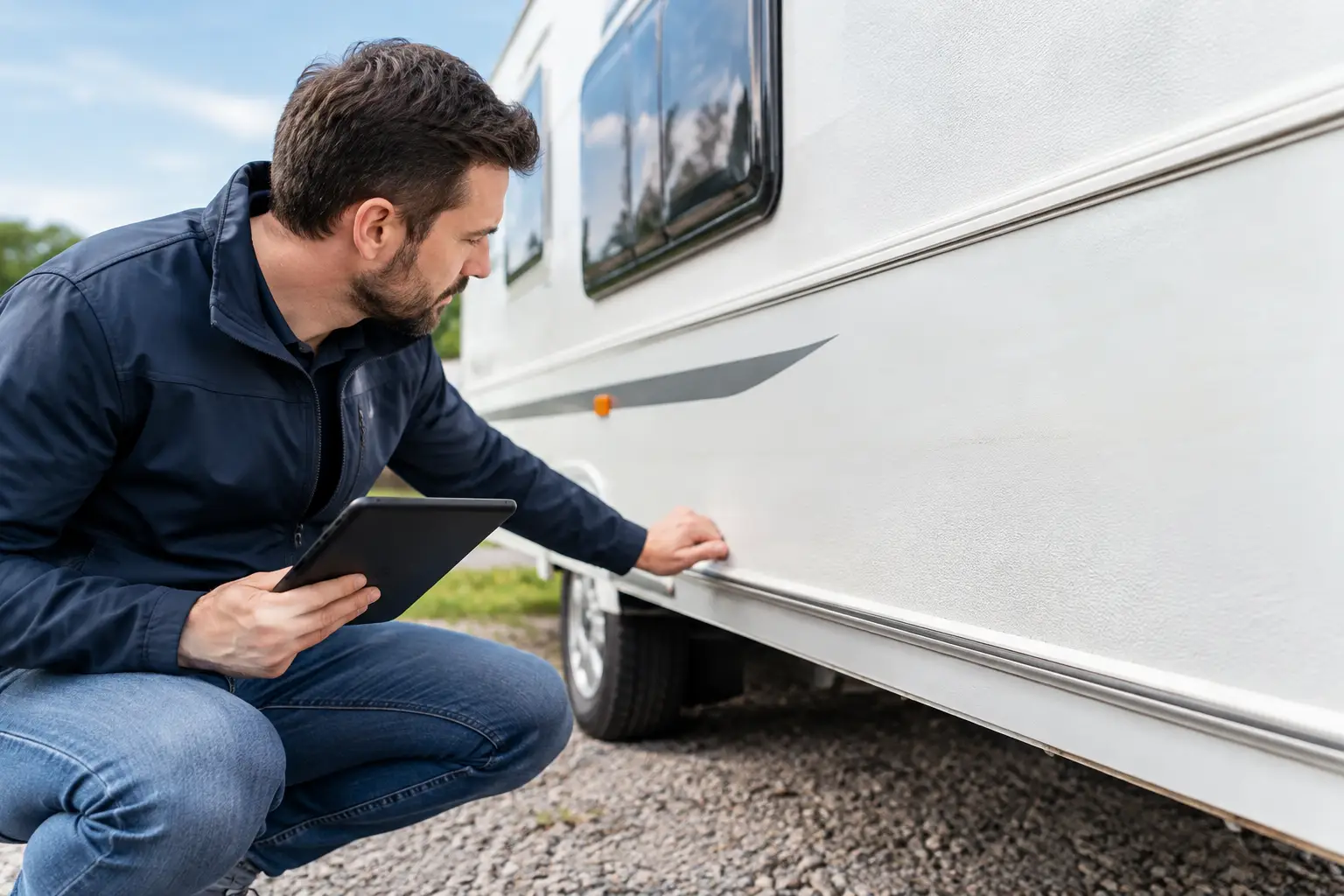
Cosmetic wear is expected on a used motorhome, but the overall impression still matters. Clean upholstery, working blinds, intact cupboard catches and a tidy cab make it easier for a buyer to see the vehicle as ready for a holiday. Scrapes, faded decals and tired interiors can reduce offers, especially where they suggest the vehicle has not been cared for.
More serious issues have a greater impact. Damp, water damage, delamination, accident damage, failed appliances and non-running mechanical faults all affect what a buyer can pay because they bring repair cost and uncertainty. They do not necessarily make the vehicle unsellable. They simply move it into a different part of the market.
Service history, damp checks and paperwork
A full service file is reassuring, but missing paperwork does not always mean a motorhome has little value. The vehicle’s present condition, MOT history, ownership documents and evidence of recent work can still provide a clear picture.
Damp checks deserve particular attention. Water ingress can be expensive to diagnose and repair, and it is one of the first concerns for an experienced buyer. If you know there is a damp issue, being upfront about it is usually better than spending weeks dealing with viewings that go nowhere.
The V5C is useful when selling, but a missing logbook is not always a dead end. Ownership can still be transferred through the proper DVLA process. If there is outstanding finance, that needs to be identified early so the settlement figure can be dealt with safely.
Why the market can change the rate of depreciation
Depreciation does not happen in a straight line. Supply, fuel costs, interest rates, consumer confidence and seasonal demand all affect the used motorhome market. A sudden increase in demand for staycations can strengthen prices. A market with plenty of similar stock for sale can make buyers more selective.
Spring often brings more interest because people are planning summer trips. That does not mean every owner should wait until April or May. If your motorhome is sitting unused through winter, needs work or is costing money to store and insure, holding on for a possible seasonal uplift may not be worthwhile.
The model itself matters too. Compact campervans and VW conversions can appeal to buyers who want everyday usability as well as weekends away. Larger A-class motorhomes and American RVs have a more specialist audience, so price movements can be different. The right sale price depends on the actual vehicle and its condition, not a generic online estimate.
When should you sell a depreciating motorhome?
The best time to sell is usually when keeping it no longer serves you, rather than when you are trying to predict the market perfectly. If touring plans have changed, a family member has inherited a vehicle, or it has been parked up for a year, further depreciation and ongoing costs can soon outweigh the benefit of waiting.
Selling before a known issue worsens can also be sensible. For example, an early sign of damp, a looming MOT repair or a leisure battery that will not hold charge may be manageable now. Leaving the vehicle untouched for another season can turn a straightforward repair into a larger reduction in value.
On the other hand, if the motorhome has just had major worthwhile maintenance, such as a documented service, timing belt work or new tyres, it may be a good time to obtain a valuation. Those costs will not usually be returned pound for pound, but they can make the vehicle easier to assess and more appealing to a buyer.
Avoid spending money that will not come back
Before selling, it is tempting to spend heavily in the hope of achieving a higher price. Some preparation is worthwhile: remove personal belongings, give the interior a proper clean, gather keys and paperwork, and make an honest note of faults. These steps help a valuation and avoid surprises at collection.
Large cosmetic upgrades are less certain. Replacing dated cushions, fitting expensive accessories or paying for a full respray may not add as much value as the work costs. It depends on the vehicle, the quality of the repair and the buyer you are trying to reach.
Essential safety or mechanical work is different. If a relatively modest repair turns a non-runner into a roadworthy vehicle, it may make commercial sense. Ask for a realistic assessment first rather than assuming every repair will pay for itself.
Selling privately versus selling directly
A private sale may achieve a higher headline price, but it takes time and comes with uncertainty. You may need to prepare adverts, arrange viewings, answer questions, negotiate, check payment carefully and deal with buyers who change their minds. For a damaged, older or non-running motorhome, collection can become another problem.
A direct sale is often more practical when speed and certainty matter. The offer may reflect the buyer taking on preparation, repairs, resale risk and collection, but you avoid advertising costs, tyre-kickers and waiting for cleared funds. Make sure any buyer explains how payment and DVLA ownership transfer will be handled before you hand over the keys.
WR Motorhomes buys motorhomes, campervans and caravans throughout Scotland in a wide range of conditions, including vehicles with damp, accident damage, MOT failures or incomplete history. A free valuation gives you a useful starting point, whether you decide to sell now or simply want a clear view of what your vehicle is worth.
A motorhome does not need to be perfect to be worth selling. If it is unused, costly to keep or no longer right for your plans, an honest valuation can replace uncertainty with a straightforward next step.