A caravan sitting on the drive can feel like it ought to be worth what similar-looking models are advertised for online. That assumption is behind many caravan pricing mistakes – and it can leave sellers waiting months, dealing with messages that go nowhere, or accepting less than a realistic offer would have achieved.
A fair price is not simply a year, make and layout written on a listing. Buyers look at condition, damp risk, paperwork, towability, seasonal demand and the work needed before the caravan can be used. Getting those details right from the start makes a sale clearer, quicker and less stressful.
1. Pricing from adverts rather than completed sales
The most common error is taking the highest asking price from a classified advert and using it as a benchmark. An asking price is what a seller hopes to receive, not necessarily what a buyer will pay. Some caravans remain listed for weeks because they are overpriced, while others have had their price reduced several times.
Compare like with like: the same model year, layout, berth number, overall condition and level of equipment. A clean, dry caravan with a recent service, usable tyres and a tidy interior will sit differently in the market from one that needs attention, even if both have the same badge on the front.
Be particularly careful with dealer adverts. A dealer price may include preparation, a warranty, a part-exchange allowance and the cost of running a forecourt. A private seller should not expect the same figure without providing those protections.
2. Treating damp as a minor cosmetic issue
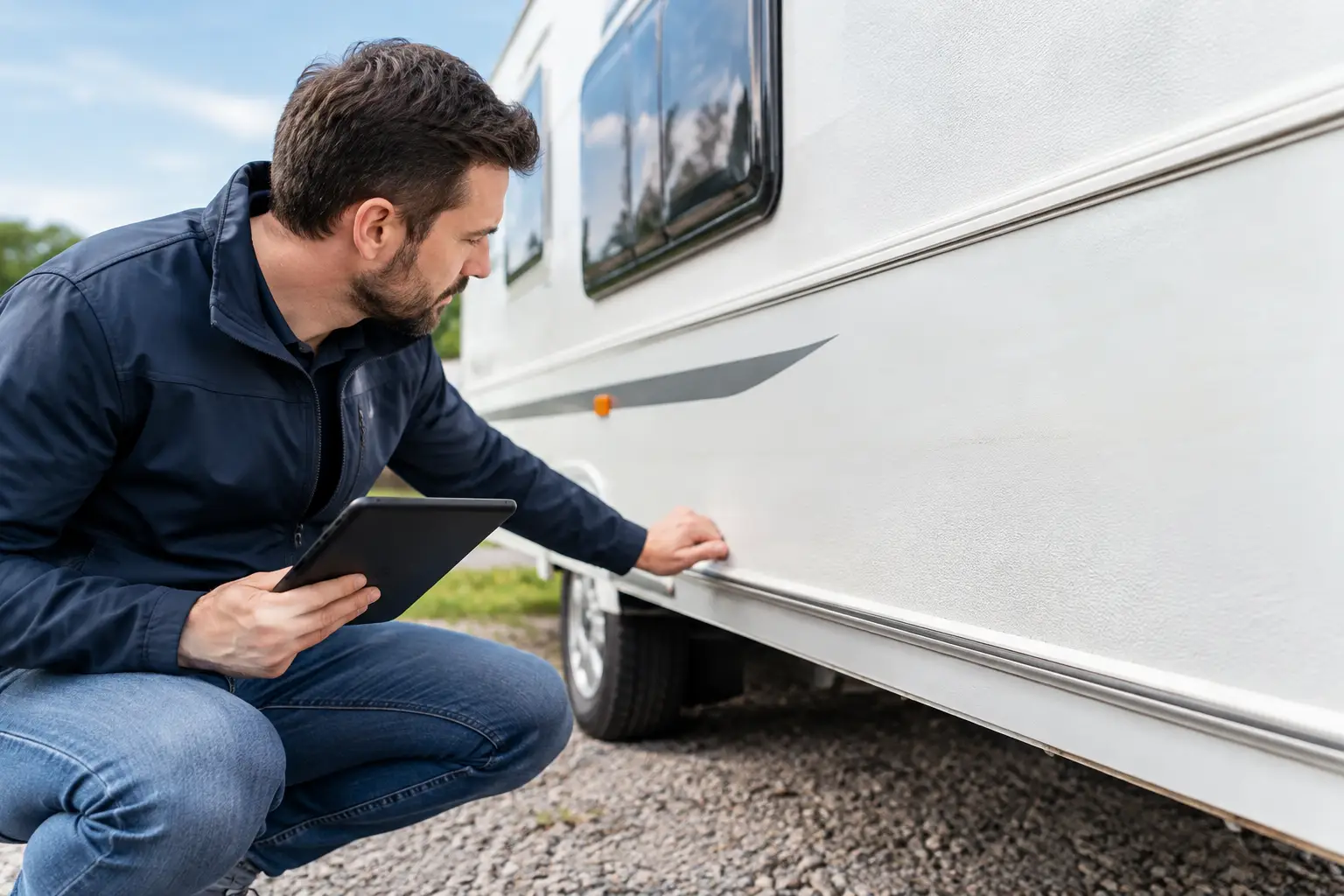
A small stain near a window, a soft corner in the floor or a musty smell can have a major effect on caravan value. Damp is one of the first concerns experienced buyers investigate because repairs can be time-consuming and expensive. Covering it up or calling it “a simple fix” usually causes problems when the caravan is inspected.
The sensible approach is to be open about what you know. If there has been water ingress, say where it is, when it was noticed and whether any repair work has been carried out. If you have a recent damp report, keep it with the other paperwork. If you do not know the extent of the issue, avoid guessing.
It does not mean the caravan has no value. Older caravans, damp-affected units and caravans requiring repair can still be bought. They simply need a price that reflects their actual condition and the buyer’s likely costs.
3. Forgetting the cost of getting it road-ready
A caravan may look presentable on the drive but still need tyres, brakes, lights, a gas check, a service or a replacement battery before it is ready for a holiday. These are not small details to a buyer. They are immediate costs and safety considerations.
Tyres are a good example. Deep tread alone does not make an old tyre suitable. Caravans often cover low mileages, but tyres can deteriorate with age and standing. Similarly, a recent habitation check or service can support a stronger valuation, while an overdue service may mean a buyer builds the unknown into their offer.
Before setting a figure, make a straightforward list of what works, what needs attention and what paperwork supports it. Spending a large sum on repairs does not always return pound for pound, especially on an older caravan. Sometimes selling honestly as it stands is the better financial decision.
4. Ignoring age, layout and changing demand
Owners often remember what they paid, the upgrades they added and the holidays enjoyed in the caravan. Those things matter personally, but the market may value them differently. A desirable fixed-bed layout, a popular family configuration or a well-regarded manufacturer can help. Equally, an unusual layout, dated interior or an older model with limited buyer appeal may narrow the market.
Extras should be viewed realistically. An awning, motor mover, solar panel, air conditioning unit or upgraded upholstery can make a caravan easier to sell, but rarely adds its full original cost to the asking price. An old awning with missing poles or a mover that has not been tested may add little at all.
This is where an independent, realistic valuation is useful. It considers the features buyers will pay for now, rather than the money already spent over years of ownership.
5. Choosing the wrong time – then holding out too long
Demand for touring caravans often strengthens before and during the main touring season. A clean, ready-to-use caravan may attract more interest in spring than it does during a wet winter. But timing is only one part of the equation. An unrealistic price in peak season can still lead to silence.
There are also occasions when waiting is not worthwhile. Perhaps the caravan is unused, storage costs are mounting, an inheritance needs to be dealt with, or a repair is becoming more urgent. In those cases, the best outcome may be a prompt, certain sale rather than chasing a higher figure that may never materialise.
If you do advertise privately, review the response after the first week or two. Plenty of views but no serious enquiries can indicate that the price, photographs or description are putting buyers off. Repeated low offers may be frustrating, but they can also reveal how the market sees the caravan.
6. Leaving paperwork until a buyer asks
Missing paperwork can turn a straightforward sale into a nervous one. Buyers commonly want to see the V5C, service records, manuals, receipts for repairs, keys and evidence of any finance settlement. A complete history will not transform a poor caravan into an excellent one, but it gives the buyer confidence and can prevent avoidable price negotiations.
If you cannot find the V5C, do not panic or delay the sale indefinitely. Be clear about the position and take the appropriate steps to replace it where possible. The same applies to incomplete service history. Honesty is more useful than presenting a folder that appears more complete than it really is.
Outstanding finance needs particular care. You should know the settlement figure before agreeing a sale and be clear about how it will be handled. Never hand over a caravan on the strength of a screenshot, a promise of payment or unclear arrangements with a third party.
7. Forgetting that selling costs money and time
A higher private-sale price is not automatically a better result. Advertising charges, storage, insurance, cleaning, repairs, travel for viewings and the value of your own time all affect the final figure. So do no-show buyers, last-minute haggling and the risk of someone trying to negotiate after travelling to view the caravan.
Payment should be part of the pricing decision too. A sale is only complete when cleared funds are in your bank account and the ownership paperwork is handled correctly. Cash can create its own concerns, while a bank transfer should be verified directly through your banking app or bank before keys and documents change hands.
For some sellers, private advertising is worthwhile, particularly if the caravan is in excellent condition and there is no rush. For others, a direct buyer offers better value because the price is agreed, collection is arranged and the administration is dealt with in one managed process.
How to set a realistic caravan price
Start with an honest description of the caravan, including its make, model, year, layout, condition, service history and known faults. Check comparable examples, but separate private asking prices from dealer retail figures. Then decide what matters most: achieving the highest possible price over time, or securing a fair offer without the work and uncertainty of a private sale.
A free valuation gives you a useful reference point even if you are still weighing up your options. At WR Motorhomes, caravans in all conditions can be considered, including older units, damp-affected caravans, non-runners and those with incomplete histories. Collection across Scotland, instant bank-transfer payment and help with ownership transfer remove the practical barriers that often delay a sale.
A realistic price does not mean giving your caravan away. It means presenting its true condition clearly, understanding the costs a buyer must take on and choosing the sale route that gives you confidence. If the caravan is no longer being used, a clear valuation is often the easiest place to start.