Selling a motorhome should end with more than the keys changing hands. To transfer motorhome ownership properly, you need the payment, DVLA notification, insurance and paperwork dealt with in the right order. Missing one of these steps can leave you chasing a buyer, liable for a vehicle you no longer have, or facing an awkward dispute weeks later.
For most private sellers, the process is straightforward once the sale is agreed. The important thing is not to rush the handover because someone is waiting on the driveway. Take a few minutes to protect yourself, particularly if you are selling an older vehicle, a non-runner, a motorhome with damp, or one that has been off the road for some time.
What transferring ownership actually means
A motorhome has several practical ties to its current keeper. There is the V5C log book, vehicle tax, insurance, any outstanding finance, keys, service records and, in some cases, a personalised registration. Passing the vehicle to a new owner means closing off each of those ties correctly.
The V5C records the registered keeper, which is not quite the same thing as legal ownership. Still, it is the central document used to tell the DVLA that responsibility for keeping the vehicle has changed. The seller should make that notification as part of the sale, rather than relying on the buyer to do it later.
A proper handover also means that cleared payment has been received before the motorhome leaves your possession. A screenshot of a bank transfer, a promise to pay after collection or an unfamiliar payment app is not the same as money showing in your account.
Before you transfer motorhome ownership
Get the practical details in order before agreeing a collection time. It makes the sale calmer and reduces the chances of a last-minute surprise.
Start with the V5C. Check that your name and address are correct and that the vehicle registration number and VIN details match the motorhome. If you have moved house and never updated the log book, resolve that first where possible. If the V5C is missing, do not assume you cannot sell, but tell the buyer early. You may need to apply for a replacement, or a professional buyer may be able to explain the paperwork required for that particular sale.
Gather the documents you do have. Service invoices, MOT certificates, habitation checks, manuals, warranty papers and receipts for recent repairs all help explain the vehicle’s history. They can support its value, but do not hide gaps or known faults. A clear description of damp readings, an engine issue, accident damage or a failed MOT is far better than an argument at collection.
If there is outstanding finance, contact the lender for an up-to-date settlement figure. You cannot offer a buyer a clean transfer while a finance company retains an interest in the vehicle. Depending on the arrangement, the settlement may need to be paid directly from the sale proceeds. Be open about it from the beginning.
If you have a cherished registration plate, arrange to retain it before completing the sale. Once the vehicle has changed keeper, recovering a plate can be considerably more difficult.
Agree the sale in writing
Even when selling to a reputable motorhome buyer, put the essentials in writing. This does not need to be a complicated contract. A simple receipt or purchase record should state the registration number, make and model, agreed price, date and time of handover, mileage, and the names and addresses of both parties.
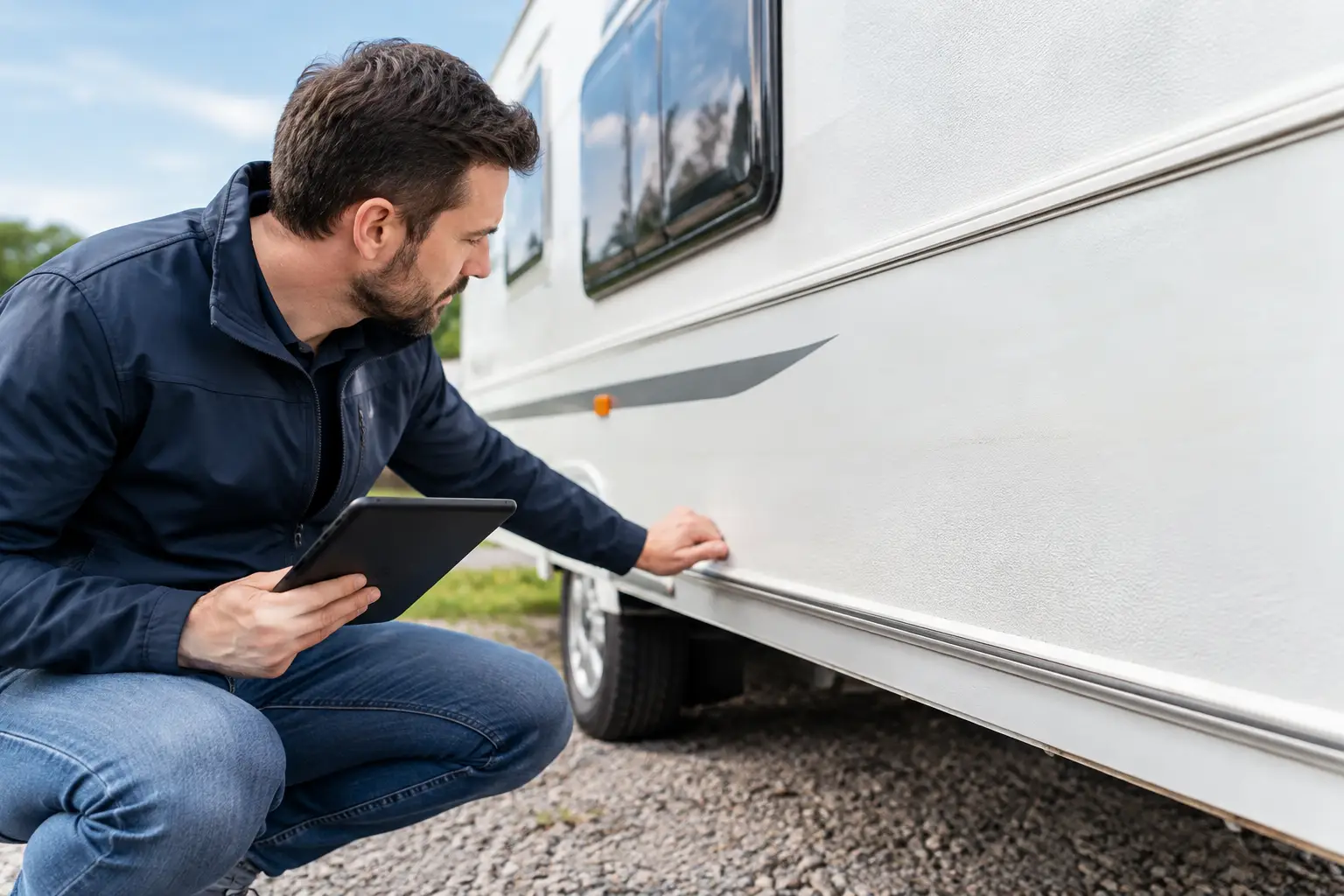
It should also record any significant condition points discussed during the valuation. For example, note if the motorhome has water ingress, does not start, has no current MOT or requires recovery. This protects both sides by making clear what has been bought and sold.
Private sales can be less predictable. Buyers may renegotiate on arrival, turn up without the agreed funds or ask to take the motorhome before the bank transfer has cleared. You are entitled to say no. The vehicle, keys and documents should remain with you until the agreed money is visible in your bank account.
Tell the DVLA at the point of sale
The seller should notify the DVLA as soon as the sale has been completed. In many cases, this can be done online using the details from the V5C, and it is usually the quickest way to receive confirmation that the registered keeper details have been updated.
If an online notification is not suitable, use the relevant part of the paper V5C and send it to the DVLA. Complete it carefully and keep a clear photo or copy before posting it. A record of the date of sale, buyer details and the completed log book is useful if there is ever a query about parking penalties, road charges or correspondence issued after the handover.
Give the buyer the new keeper section of the V5C where applicable. They can use this while waiting for their own full V5C to arrive. Do not hand over the entire log book without completing the change of keeper details, and do not sign blank paperwork for the buyer to complete later.
For a managed sale, WR Motorhomes can support the DVLA ownership-transfer process as part of collection. That is particularly useful if you have not sold a vehicle for years, are dealing with an inherited motorhome or simply want the administration checked at the same time as payment and collection.
Tax and insurance do not follow the motorhome
Vehicle tax does not transfer to the new keeper. Once the DVLA is notified that you have sold the motorhome, any refund due for full remaining months of tax is normally handled separately. The buyer must tax the motorhome in their own name before using it on the road.
Your insurance needs attention too. Contact your insurer on the day of sale to cancel or amend the policy. Do not leave cover running because you assume the buyer has arranged their own insurance. Equally, a buyer should not rely on the seller’s policy to drive away.
If the motorhome is being collected on a trailer or recovery vehicle because it is uninsured, untaxed, broken down or not roadworthy, make sure the collection method is agreed in advance. A damaged or non-running motorhome can still be sold – it simply needs the right transport plan.
Check payment before releasing the keys
Bank transfer is a sensible way to receive payment, but only when you verify it yourself. Log into your own banking app or online account and check that the money has arrived as cleared funds. Do not rely on an email, text message, payment reference or a screen shown by the buyer.
For a higher-value motorhome, it is reasonable to allow time for bank security checks. A genuine buyer will understand that you are not handing over a vehicle worth thousands of pounds until payment is confirmed.
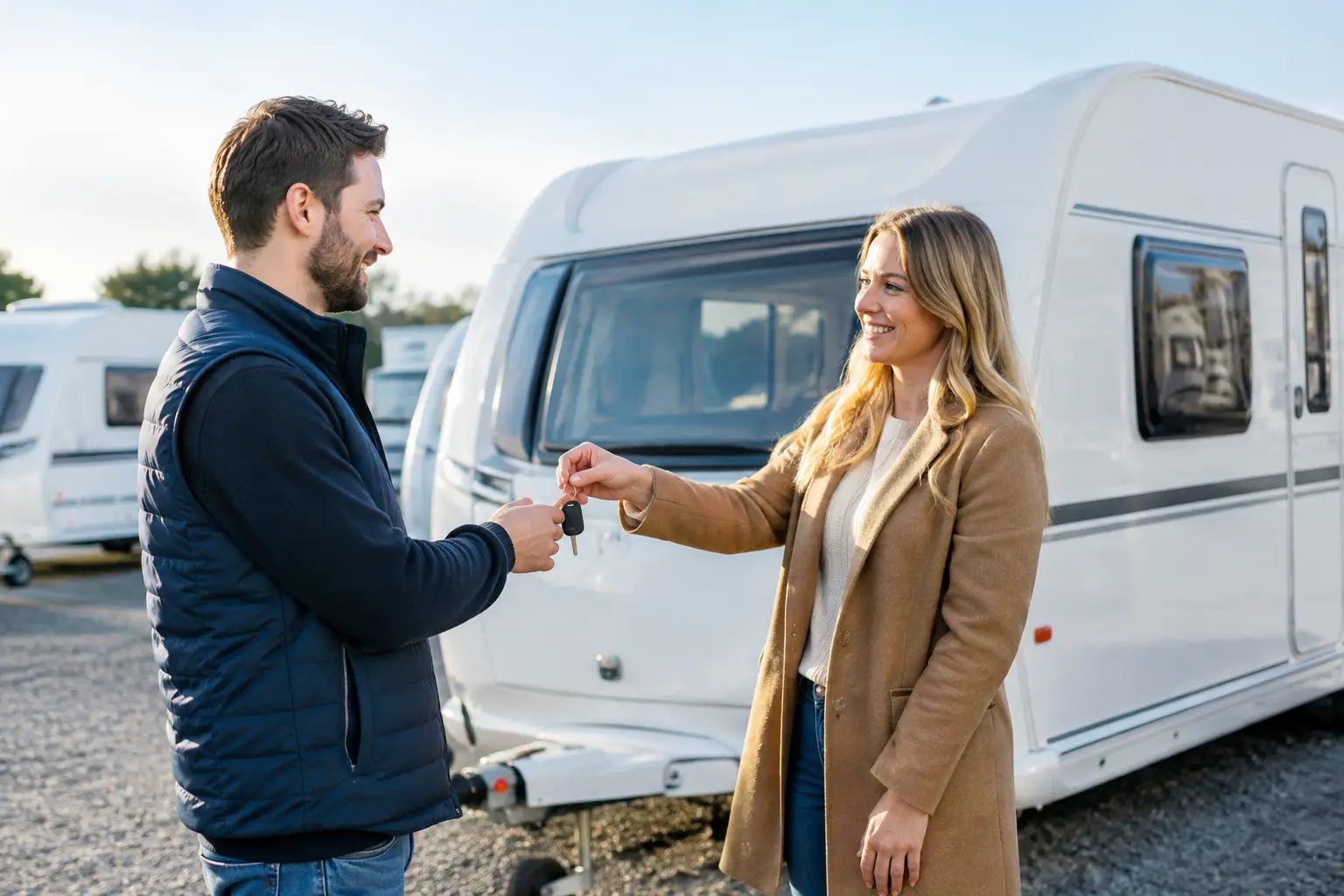
Once funds are confirmed, hand over the agreed keys, documents, manuals and accessories. Make a note of the final mileage and the exact time the motorhome leaves. If it is collected, take a few photographs of the vehicle and collection vehicle for your records. This is not about being distrustful. It is simply good housekeeping.
Special situations that need a little more care
An inherited motorhome may be registered in the name of someone who has died. The executor or person handling the estate should keep relevant paperwork available and explain the situation to the buyer before the sale. Do not alter signatures or try to complete documents as though the registered keeper were still selling personally.
A motorhome without a V5C, service history or current MOT can still have a value. The buyer will assess it on its condition, identity, age and likely repair costs. Be prepared for a lower offer than an equivalent fully documented, road-ready example, but do not assume it is worthless.
For a caravan, the process differs because touring caravans are not registered with the DVLA in the same way as motorhomes. The sale should still be recorded with a written receipt, matching chassis number, payment confirmation and all available paperwork. If there is an ownership registration scheme record, update that separately where appropriate.
A handover worth doing properly
The best motorhome sale is not the one that merely gets the vehicle off your drive quickly. It is the one where you know the funds are safely in your bank, the DVLA has been notified, and there is a clear record of what happened and when.
Whether you are selling a well-kept campervan or an older motorhome that needs major work, a careful handover gives you a clean finish and lets the next owner take responsibility from the moment they collect it.