A caravan that is sitting unused can become an expensive inconvenience surprisingly quickly. Storage fees, insurance, damp worries and the thought of another season passing can all make the decision harder. If you need to sell unused caravan quickly, the best route is usually the one that gives you a clear price, confirmed collection and secure payment without asking you to become an advert writer, negotiator and recovery organiser.
For some owners, a private sale will achieve the strongest possible price. But that depends on having time to prepare the caravan, answer messages, arrange viewings and wait for the right buyer. If the caravan has been off the road, needs work or is simply no longer part of your plans, a direct sale can be the more practical choice.
Why unused caravans become harder to sell
Caravans are made for regular use and care. When one is left standing, small issues can develop into bigger concerns for buyers. A flat tyre, a stale interior or an expired service record may be straightforward to deal with, but signs of damp, a sticking brake or an ageing battery can quickly put private buyers off.
There is also the question of confidence. A buyer viewing a caravan that has not moved for months may wonder whether the lights work, whether the appliances have been checked or whether there is water ingress that has not yet shown itself. Even if you are honest about its history, you may find yourself dealing with repeated requests for discounts or people who simply do not turn up.
That does not mean an unused caravan has no value. It means the selling method needs to match its condition, age and your timescale. A clean, well-kept touring caravan with paperwork may suit a private listing. An older model, a caravan with damp, or one that cannot be towed easily may be better sold directly to an experienced buyer.
Sell unused caravan quickly without the private-sale workload
A quick sale should not mean accepting an unclear offer or handing over the keys before you know the money is safe. The aim is to replace the uncertainty of a private listing with a straightforward managed process.
With a direct caravan buyer, you provide the basic details: make, model, age, condition, location and anything that affects its value. Photos are helpful, especially of the exterior, interior, tyres, service paperwork and any known damage. Being open at this stage helps produce a realistic valuation and avoids surprises when the caravan is inspected.
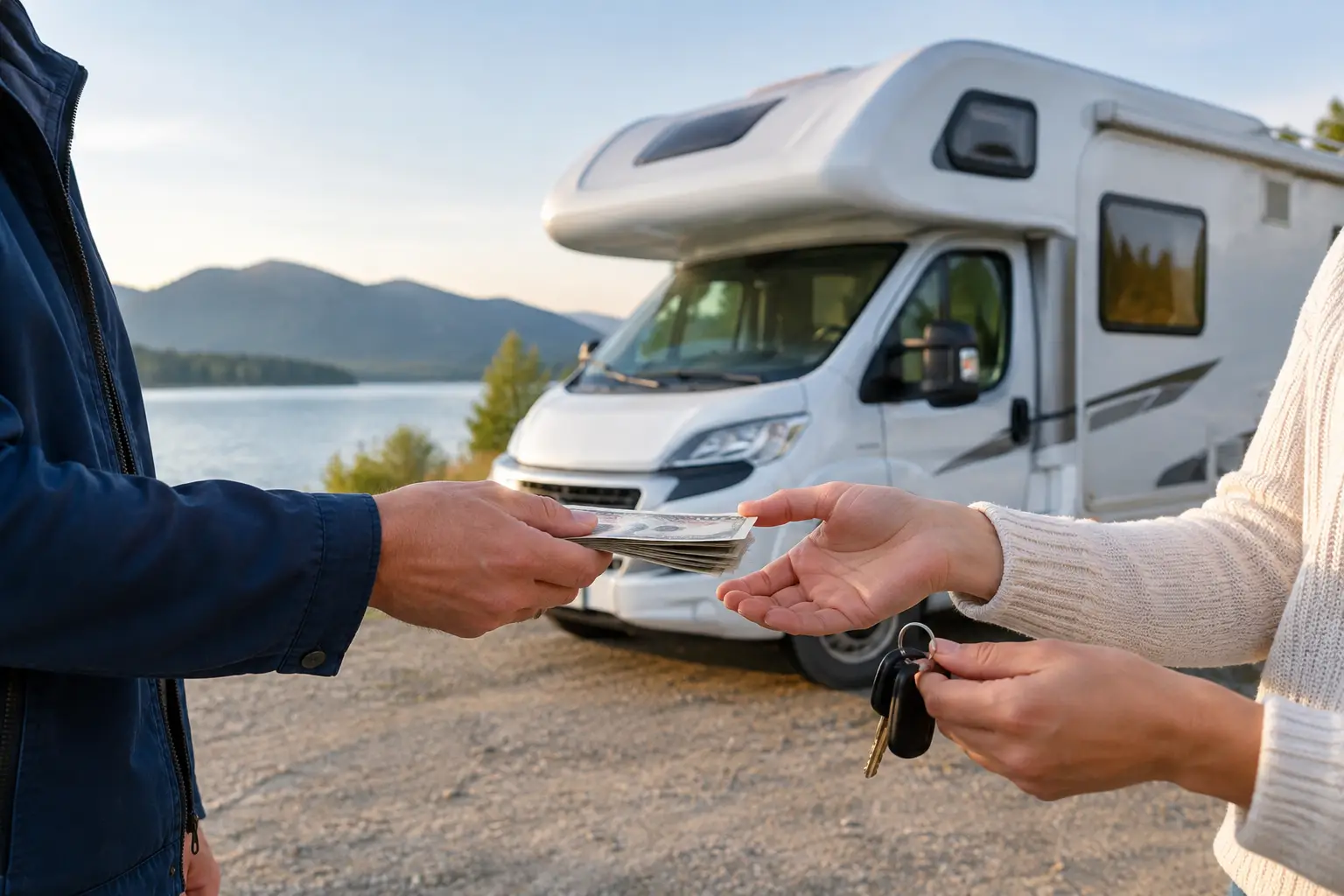
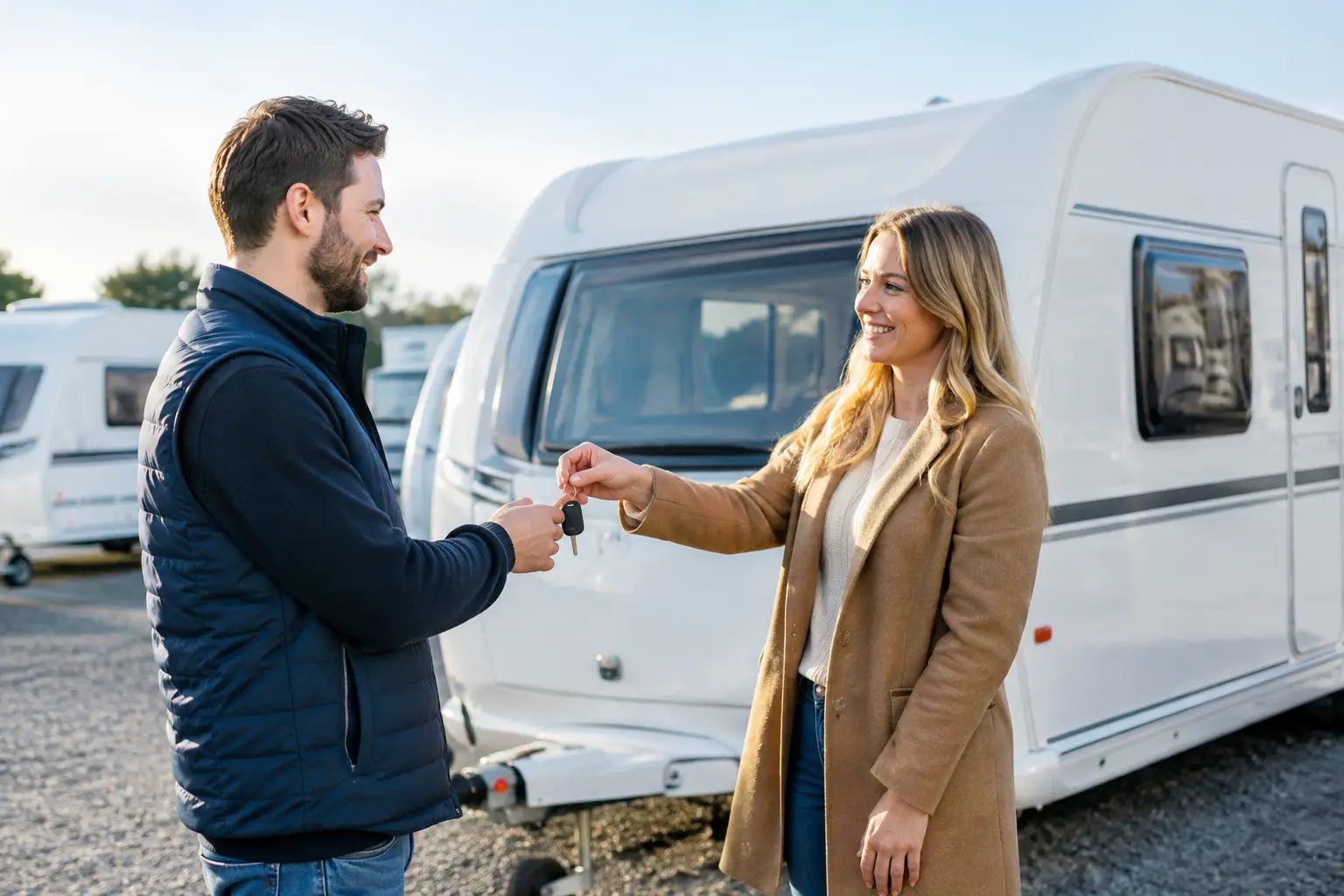
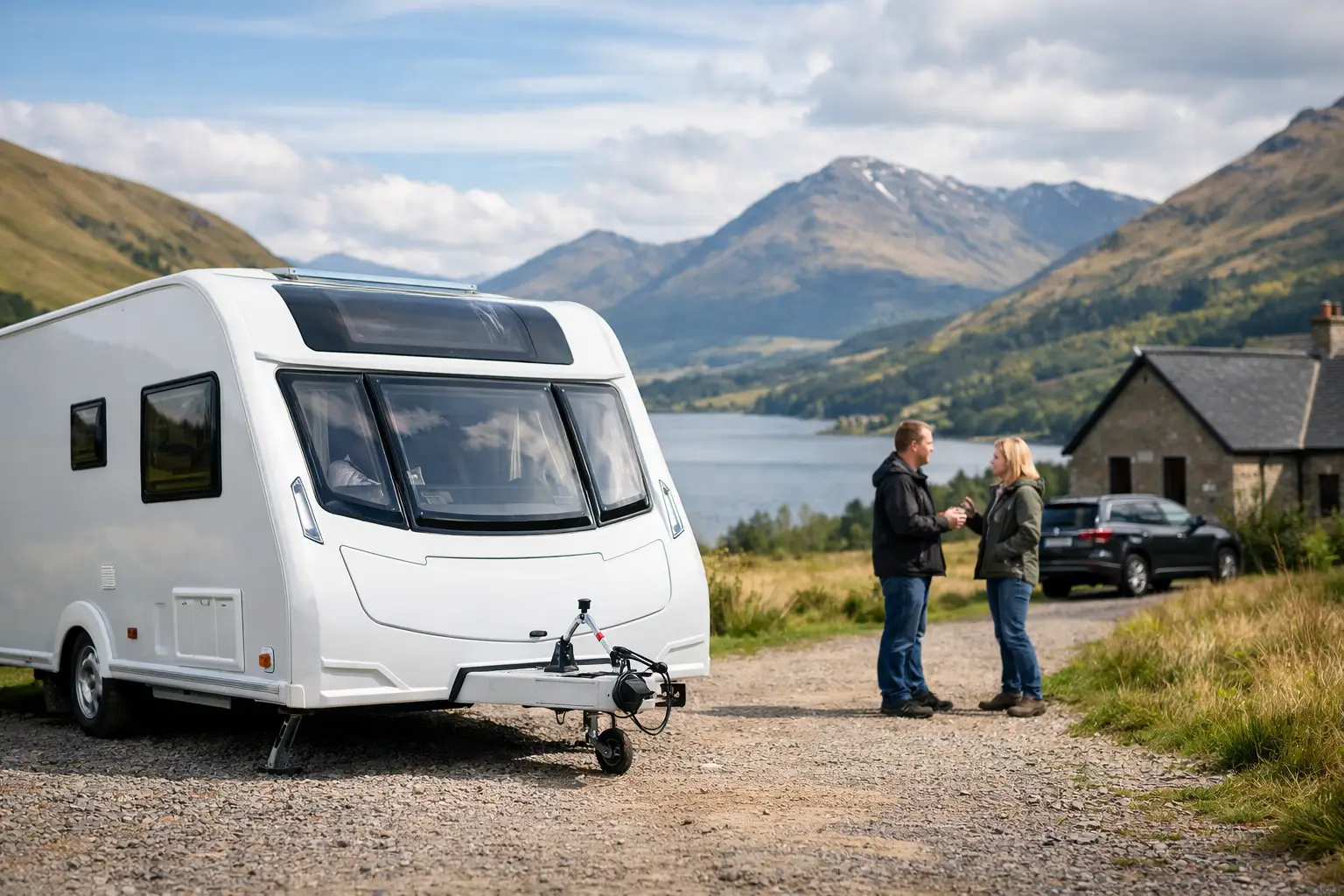
If the offer works for you, collection can be arranged from your home, storage site or another accessible location. This is particularly useful if the caravan has not been used for some time, has a puncture, has failed an inspection or is not safe to tow on the road. You do not need to borrow a suitable vehicle, arrange a tow or worry about delivering it to a dealer.
At WR Motorhomes, owners across Scotland can receive a free, no-obligation valuation, a competitive offer, free collection and instant bank-transfer payment. The sale is handled from the first enquiry through to the ownership paperwork, with no advertising fees or commission to account for.
Get the information together, but do not delay the sale for paperwork
It is sensible to gather what you have before requesting a valuation. The V5C registration document, service records, manuals, keys and any recent repair invoices can all help establish the caravan’s background. However, do not assume you cannot sell because something is missing.
A missing service history does not automatically prevent a sale. Neither does an older caravan that needs attention, a damaged panel, an MOT-related issue on a towable vehicle or suspected damp. These points will affect the offer, because repair costs and resale demand need to be considered, but an honest description is far more useful than spending weeks trying to make the caravan look perfect.
If you do have the V5C, check that your name and address are correct before collection. If it is unavailable, explain why when requesting your valuation. A professional buyer can advise on the available options and help you understand the ownership-transfer process. It is better to raise this early than to leave it until collection day.
Be realistic about condition and price
The fastest sales are usually the clearest ones. It is tempting to focus on what similar caravans were advertised for, but advertised prices are not always achieved prices. They also tend to reflect caravans that are prepared for retail sale, fully checked and ready for a buyer to tow away.
A direct offer will take account of the caravan’s specification, year, layout, make, overall condition and local collection costs. It will also reflect the buyer taking on the work and risk of preparation, repairs and resale. In return, you avoid the cost of advertising, the possibility of a buyer withdrawing after a viewing and the time spent waiting for a sale.
This is the key trade-off. A private sale may be worth considering if you have a desirable caravan, time to spare and confidence in handling viewings. A direct buyer is often the right fit when certainty, convenience and a defined completion date matter more than chasing the highest possible asking price.
Tell the buyer about finance, damage and known faults
Difficult details are not deal-breakers when they are discussed properly. If there is outstanding finance, say so from the outset. The lender’s settlement figure will need to be confirmed, and the sale cannot be completed until the finance is dealt with. A reputable buyer can explain how this is managed and whether the offer is sufficient to clear the balance.
The same applies to accident damage, water ingress, a faulty fridge, cracked windows, worn tyres or a caravan that has been unused for several years. Photos and a plain description make it easier to assess. Trying to hide a fault tends to delay the process, whereas declaring it allows the buyer to make an offer based on the real vehicle.
For inherited caravans, the priority is often reducing the burden on the family rather than maximising every pound. Keep any documents you have, explain the situation and ask what will be required to complete the sale. An experienced buyer should deal with the conversation respectfully and without pressuring you into a decision.
Make collection day straightforward
Before collection, remove personal belongings from lockers, cupboards and the front storage box. Check for paperwork, keys, awning accessories, towing mirrors and anything you intend to keep. If the caravan is on a storage site, confirm access arrangements and whether the site requires notice before a collection vehicle can enter.
You should also know exactly how and when payment will be made. Bank transfer is generally the clearest option because you can check cleared funds in your account before the caravan leaves. Do not rely on screenshots, promises to pay later or unfamiliar payment methods. A professional purchase should include a clear record of the transaction and proper ownership-transfer support.
A quick sale can still be a fair one
An unused caravan does not need to become another task on a growing list. Whether it is parked at home, taking up paid storage space or sitting on a driveway after a change in circumstances, it can be sold without the usual cycle of adverts, viewings and negotiation.
Start with an honest valuation based on its real condition, ask how collection and payment will work, and only proceed when the offer feels right for you. That gives you a clean break, room to move on and one less thing waiting for attention.