A motorhome can sit on the drive for months while you decide what to do with it. Perhaps touring plans have changed, it needs more work than you expected, or you have inherited a vehicle you will not use. If you are searching for a way to sell my motorhome Scotland without advertising, viewings and uncertain buyers, a direct sale can be the straightforward answer.
Selling privately can achieve a good price when you have time, a tidy vehicle and patience for the process. But it also means photographs, adverts, messages at all hours, people who do not turn up and awkward negotiations on your doorstep. For an older, damaged or non-running motorhome, those challenges can quickly outweigh the possible extra money.
A professional direct buyer offers a different route: an honest valuation, a clear offer, collection from your location and cleared funds before the vehicle leaves. It is designed for owners who want certainty rather than a drawn-out sale.
When a direct motorhome sale makes sense
There is no single right way to sell a motorhome. A private listing may suit a newer, well-presented model when you are happy to wait for the right buyer. Part exchange can be useful if you are buying another vehicle from the same dealer. However, both options can involve compromise, delays or pressure to accept a lower figure.
A direct purchase is often the better fit when speed and convenience matter. That might be because you are downsizing, moving house, settling an estate or simply tired of paying insurance, storage and maintenance costs for a vehicle that is not being used.
It can also make sense when the motorhome is difficult to sell privately. Buyers browsing classified adverts tend to want vehicles ready for a holiday. They may lose interest at the mention of damp, an MOT failure, accident damage or a missing service record. A specialist buyer looks at the whole vehicle and its realistic value instead of expecting perfection.
Sell my motorhome in Scotland – what can be bought?
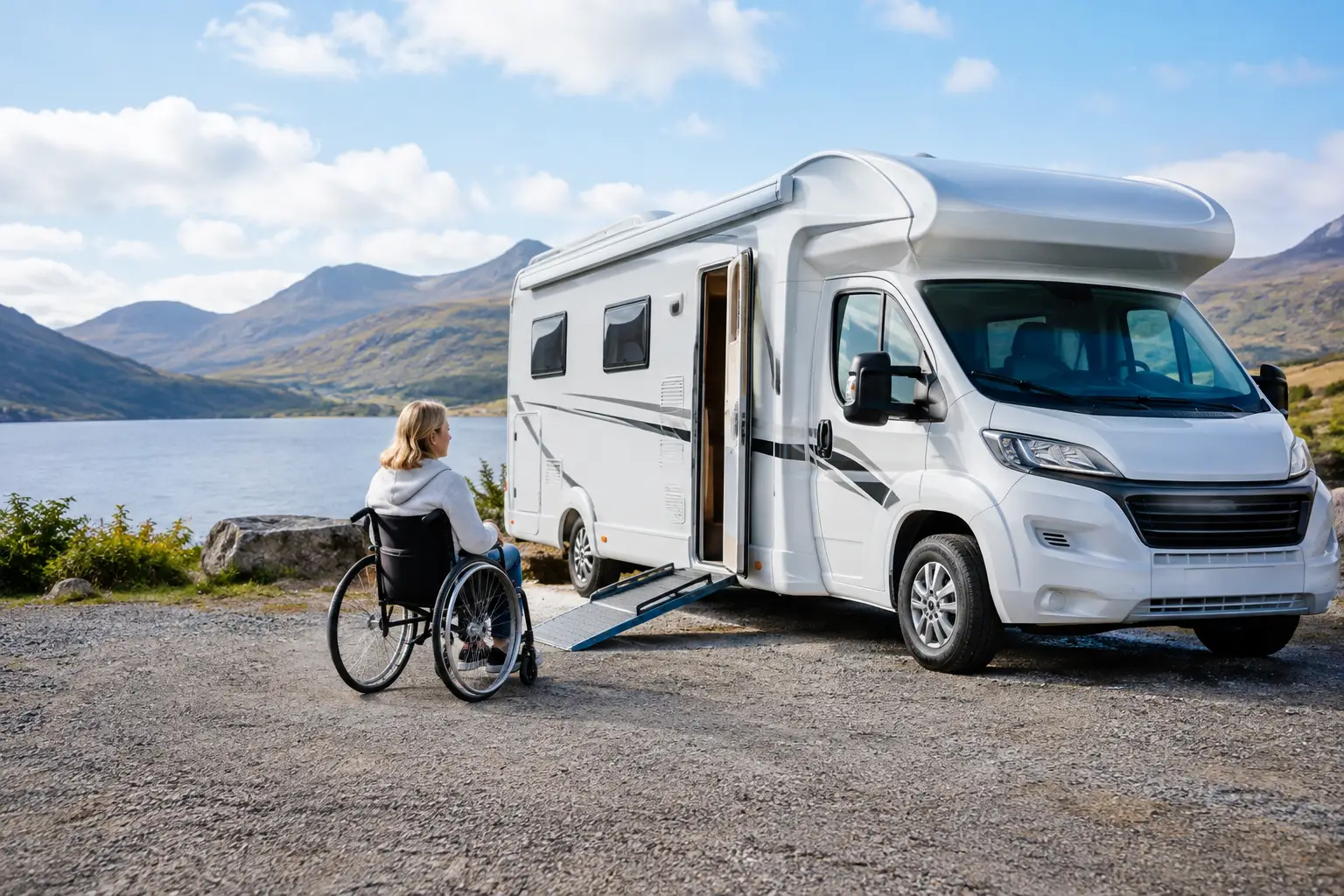
Motorhomes come in many shapes, ages and conditions, and a sensible valuation should reflect that. Direct buyers can consider coachbuilt motorhomes, A-class and B-class models, American RVs, VW campervans, campervan conversions and touring caravans.
The key point is that an imperfect vehicle still has value. Older stock, high-mileage models and vehicles with cosmetic wear may be suitable for resale, repair or parts. The same applies to units with damp or water damage, mechanical faults, accident damage, insurance write-off status, expired MOTs and non-running engines.
Be open about the condition from the start. It does not automatically prevent a sale, but it helps the buyer make a realistic offer and avoids surprises at collection. A few clear photographs of the exterior, interior, cab, known damage and any paperwork are usually more useful than trying to make a problem sound smaller than it is.
Do not delay because the vehicle has faults
Many owners assume they must repair a motorhome before selling it. Sometimes that is worthwhile, particularly for a minor, low-cost repair that improves its presentation. Often, though, spending money without knowing the likely return creates more risk.
Damp investigations, gearbox faults, body repairs and replacement appliances can be expensive. If you no longer want the vehicle, it may be more practical to sell it as it stands and let an experienced buyer assess the work involved. A fair offer should account for the condition rather than pretend the issue does not exist.
What a straightforward sale process should look like
A good direct-buy service removes uncertainty at each stage. You should know who is buying the motorhome, what price has been offered, when collection will happen and when your money will arrive.
With WR Motorhomes, the process is built around four clear steps:
- Request a free valuation. Provide the registration number, make, model, year, mileage and a short description of the condition. Mention any finance, faults or paperwork issues early so the valuation is based on the real vehicle.
- Receive a no-obligation offer. If the vehicle is suitable, you receive a competitive cash offer with no pressure to proceed. Ask questions at this stage, especially if anything about the offer or collection arrangements is unclear.
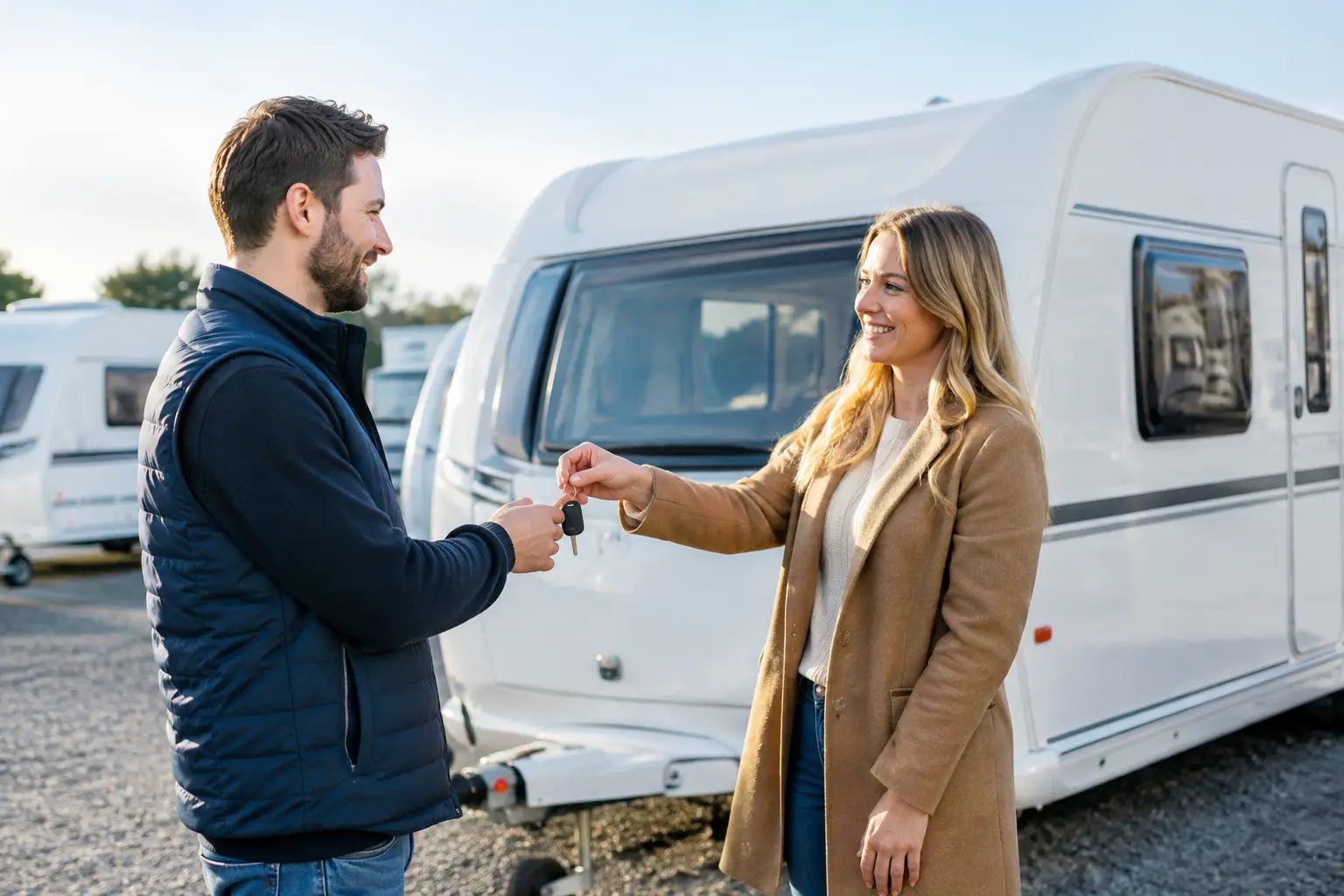
- Arrange free collection. Once you accept, a convenient collection time can be agreed anywhere in Scotland. Collection is particularly useful for non-runners, MOT failures or vehicles parked some distance from a dealer.
- Receive instant bank-transfer payment and complete the paperwork. Funds should be transferred securely before you hand over the motorhome. The ownership transfer can then be completed with support for the DVLA process.
This is not merely about saving time. It removes common private-sale risks, including counterfeit payment methods, buyers attempting to renegotiate on arrival and the practical problem of delivering a large vehicle after it has been sold.
Getting a fair valuation for your motorhome
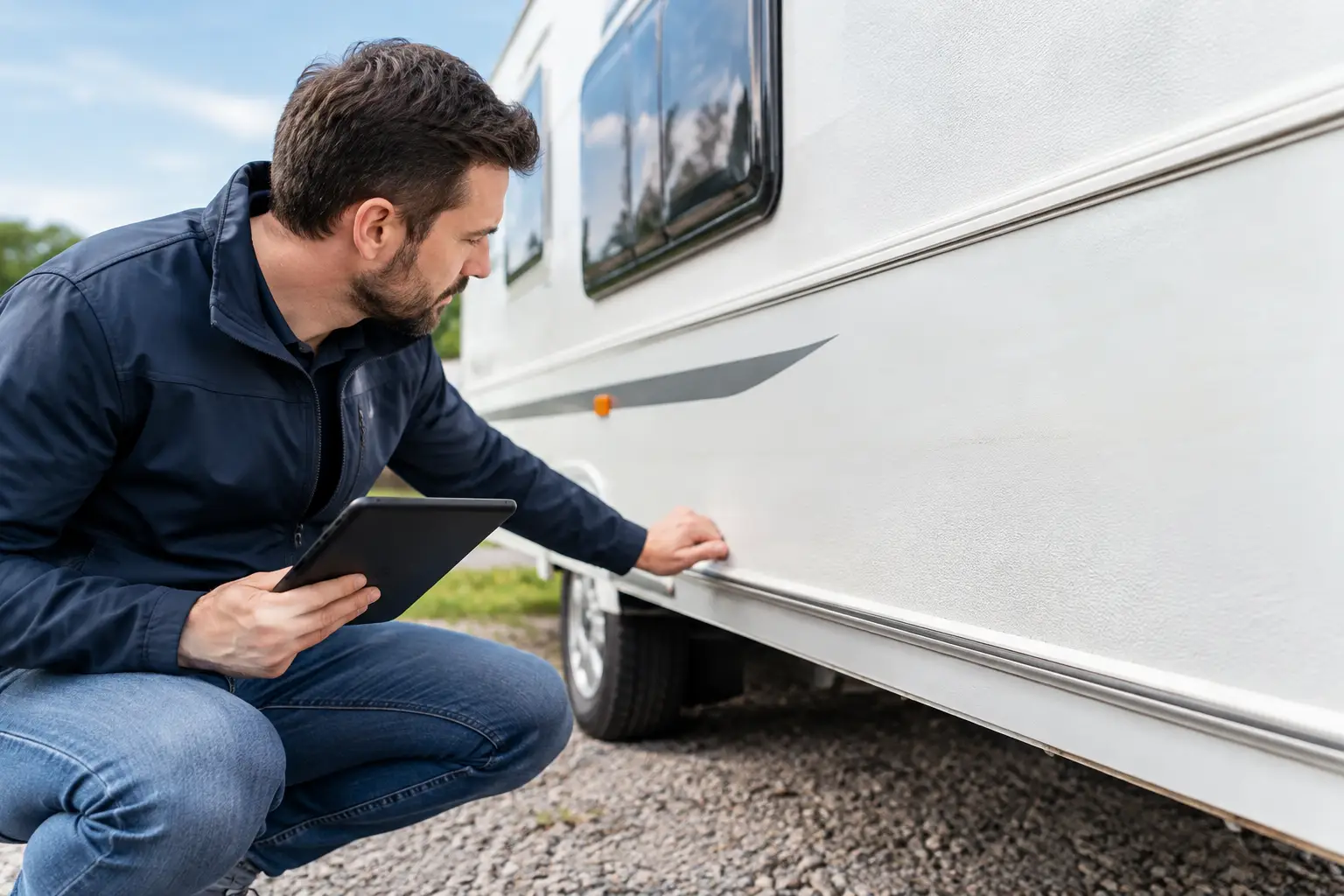
A valuation is not just a glance at similar adverts online. Asking prices are not necessarily achieved prices, and two apparently similar motorhomes can differ considerably in value because of layout, condition, mileage, service records, damp history and seasonal demand.
To help produce an accurate figure, have the registration number, current mileage and basic vehicle details ready. Include the make and model, number of berths, transmission, fuel type and any major extras. If you know of faults, say so plainly. It may feel counterintuitive, but honest information generally leads to a firmer offer and a smoother handover.
Paperwork can add confidence, particularly the V5C log book, service history, invoices, manuals and keys. Yet a missing V5C or incomplete history does not always mean the motorhome cannot be sold. Explain what you have and why anything is missing. The buyer can advise on the most sensible way forward rather than leaving you to untangle it alone.
What about outstanding finance?
Outstanding finance needs handling carefully, but it does not necessarily stop a sale. Tell the buyer before accepting an offer and obtain a current settlement figure from the finance provider. The amount owed, the vehicle’s value and the finance company’s process will determine whether the sale can proceed and how payment should be arranged.
Never hand over a vehicle while finance remains unresolved or rely on an informal promise that someone else will sort it later. A professional buyer should explain the process clearly and ensure there is a proper record of the transaction.
Why free collection matters across Scotland
Taking a motorhome to a dealer is not always simple. It may be off the road, uninsured, too large for you to feel comfortable driving, or parked far from a suitable buyer. Even when it is roadworthy, arranging transport can add cost and hassle to a sale that is already taking up too much time.
Free collection means the sale can happen at your home, storage site or another agreed location. It is especially helpful for owners in rural areas, those dealing with a bereavement, or anyone whose motorhome has been parked unused for a long period. Before collection, remove personal belongings, check lockers and cupboards, and keep keys and paperwork together. If you have a personalised registration, arrange to retain it before the vehicle changes hands.
Choose certainty over another month of adverts
The highest advertised price is not always the best outcome. Consider the cost of insurance, storage, repairs and your own time, as well as the chance that a private buyer will actually complete the deal. A clear direct offer may be the more valuable option when it lets you move on quickly and without uncertainty.
Whether your motorhome is holiday-ready, ageing, damp, damaged or simply no longer part of your plans, it is worth asking for a free, no-obligation valuation. A straightforward answer from an experienced Scottish buyer can turn a vehicle sitting unused into money in your bank and one less thing on your to-do list.