A motorhome sale in Stonehaven can become far more time-consuming than owners expect. Taking photographs, writing adverts, answering messages and arranging viewings is one thing. Dealing with people who do not turn up, make unrealistic offers or want to pay later is another. If you are ready to move your motorhome on, a direct sale can be a simpler, safer route.
For many owners, the decision to sell comes after a change in circumstances rather than because there is anything wrong with the vehicle. You may be travelling less, downsizing, managing an inherited motorhome or simply tired of seeing it sit unused on the drive. Whatever the reason, you deserve a clear offer and a straightforward handover.
Why private selling is not always the best option
A private sale can sometimes achieve a higher asking price, particularly for a newer, well-presented motorhome with a full service record. However, an asking price is not the same as the amount you eventually receive. Buyers will often negotiate hard after viewing, and a sale may take weeks or months depending on the season, model and condition.
There is also the practical side. A motorhome is not a small purchase. Viewings take time, test drives need managing and buyers may ask for inspections, damp reports or evidence of servicing. That is understandable, but it can be difficult if you are busy, have stopped using the vehicle or do not feel confident dealing with strangers at home.
A direct buyer removes much of that work. Instead of advertising widely and hoping the right person appears, you provide the vehicle details, receive a valuation and decide whether the offer works for you. There are no listing fees, no endless messages and no need to wait for a buyer to arrange collection.
A simpler motorhome sale in Stonehaven
Stonehaven owners do not need to transport their vehicle elsewhere to sell it. Free collection means the sale can be completed from your home, storage site or another agreed location. This matters particularly if the motorhome is not taxed, has an expired MOT, has developed a fault or is simply awkward to move.
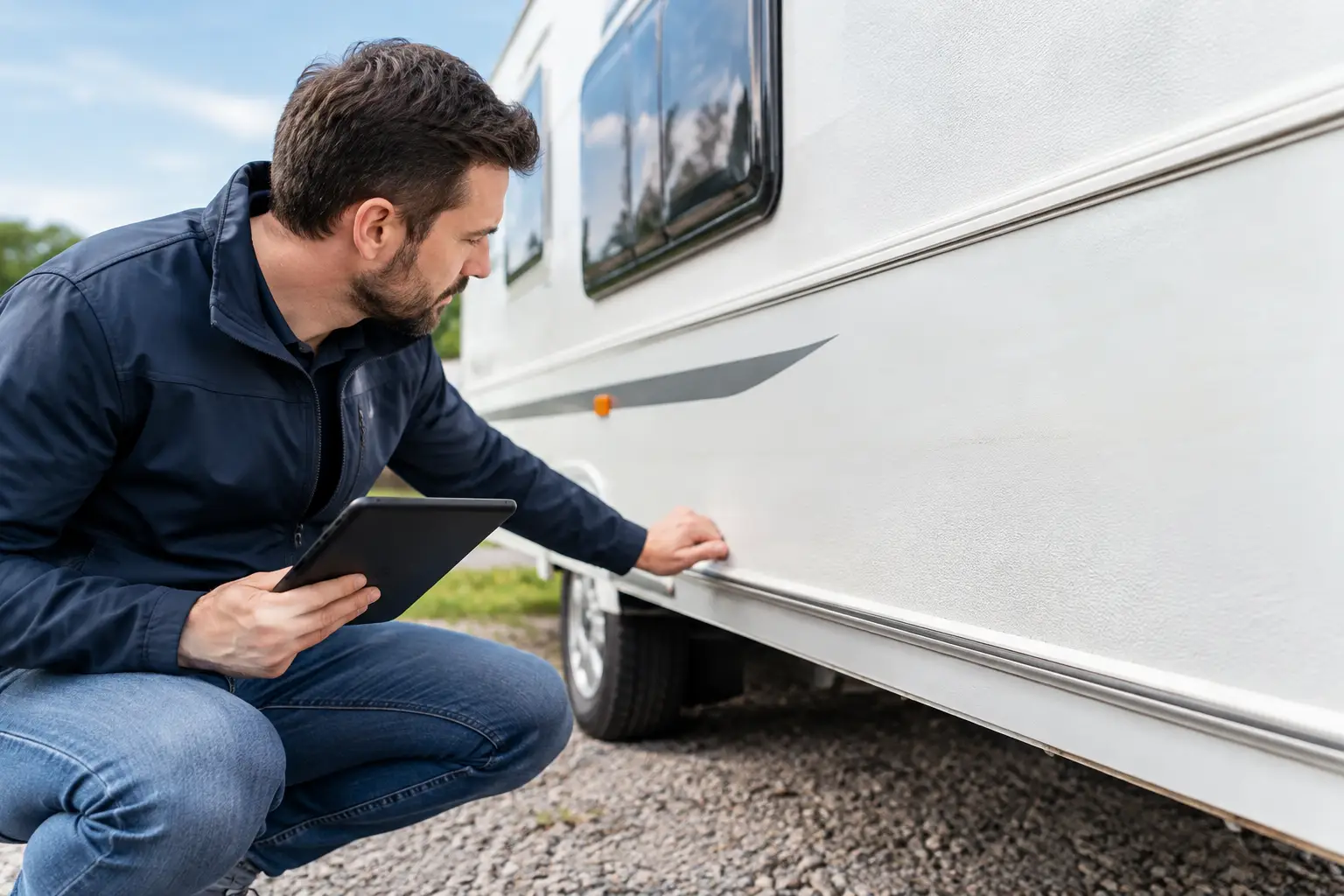
The process should be clear from the outset. You supply the basics – make, model, registration, mileage, condition and any known issues – along with a few photographs where possible. This allows a buyer to make a realistic assessment rather than giving an inflated figure that changes sharply on collection day.
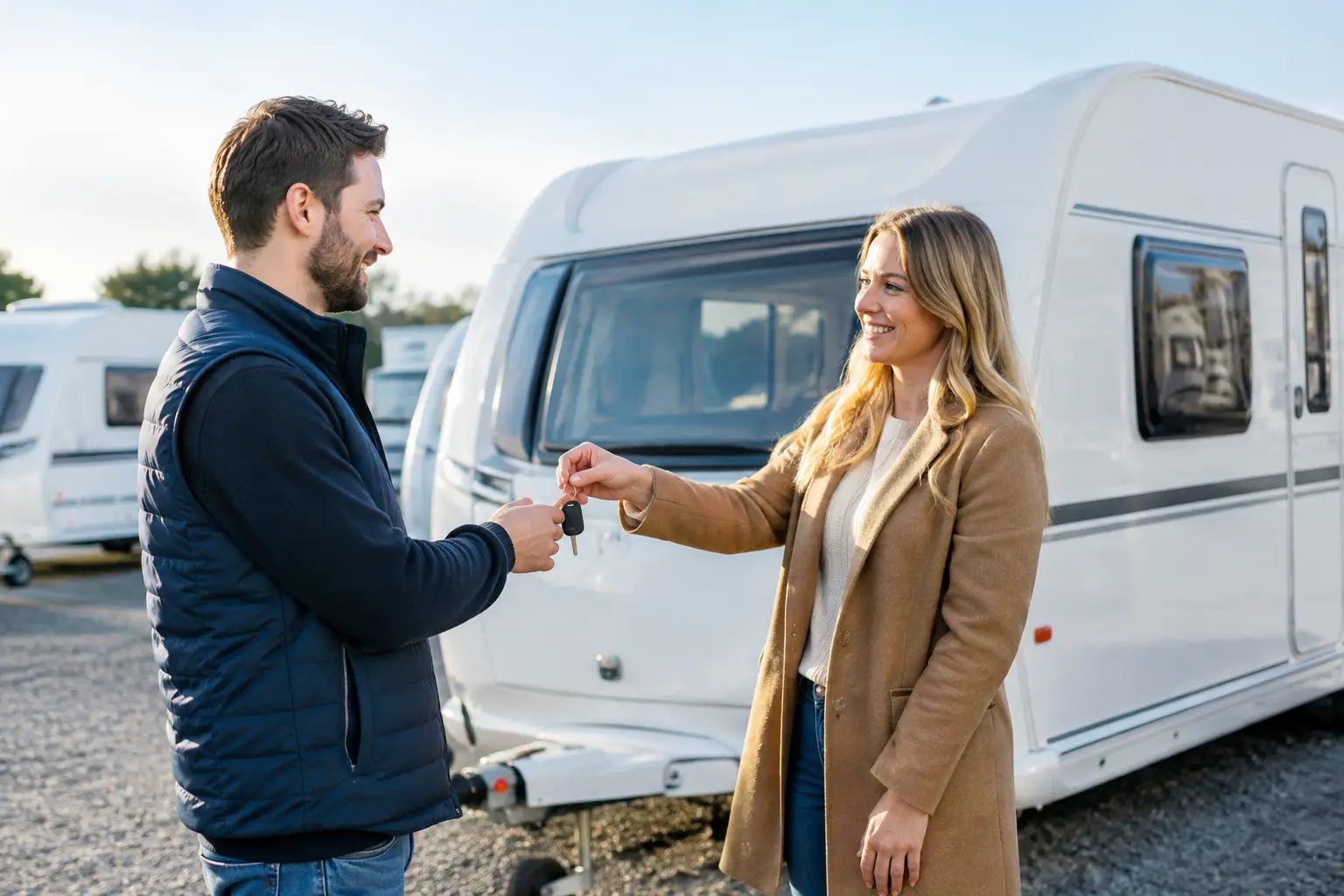
If the offer is accepted, a collection time is arranged around you. Payment should be made by instant bank transfer before the vehicle is handed over. You can check that cleared funds have arrived in your account before releasing the keys, paperwork and motorhome. It is a simple precaution, but one that gives sellers proper confidence in the transaction.
Do not assume a fault makes it unsellable
A common reason people delay selling is that they believe they must repair every issue first. That is not always the best use of your money. Damp, water ingress, a failed MOT, body damage, engine problems or a non-starting vehicle can make private selling harder, but they do not automatically prevent a direct sale.
A realistic valuation takes condition into account. Being open about faults early is usually the best approach. It avoids wasted time and helps the buyer price the vehicle fairly. The same applies to older motorhomes, incomplete service history, cosmetic wear and vehicles that have stood unused for a long period.
WR Motorhomes purchases a wide range of leisure vehicles in all conditions, including coachbuilt motorhomes, A-class and B-class models, American RVs, VW campervans, conversions and touring caravans. The aim is not to pretend every vehicle is showroom-ready. It is to offer a practical route to sale when repairs, advertising and waiting for a private buyer do not appeal.
When repairs may still be worthwhile
There are occasions when minor work can help. A proper clean, removing personal belongings, finding available manuals and gathering service invoices can make it easier to assess the vehicle. If you have a simple, low-cost repair already booked, it may be sensible to complete it.
Major repairs are different. Replacing appliances, investigating suspected damp or undertaking mechanical work can be expensive, and there is no guarantee the cost will be added back to the final sale value. If you are unsure, get a valuation first. You can then decide whether repairing the motorhome makes financial sense rather than spending money on assumption.
What to have ready before collection
You do not need a perfect folder of documents for a sale to go ahead, but having the basics to hand makes everything smoother. The V5C registration document is useful, as are service records, MOT certificates, manuals, spare keys and receipts for recent work. Remove your belongings from cupboards, lockers and the garage, and check you have taken any personal documents, toll tags and campsite passes with you.
If you cannot find the V5C, do not panic. Explain this when requesting a valuation. A missing logbook may affect the process, but it does not necessarily make a sale impossible. The same principle applies if there is outstanding finance. Be upfront about the lender, settlement figure and account details so the finance can be considered properly before an agreement is made.
It is also sensible to disclose finance, insurance claims and significant faults rather than hoping they will not arise. An honest description protects everyone. It helps avoid last-minute changes and gives you a more dependable offer in the first place.
Payment and paperwork should never feel uncertain
The two points that matter most in any vehicle sale are money and ownership. Cash can create security concerns, while a promise to transfer money later leaves the seller exposed. A bank transfer completed while the collector is present is usually the clearest option. Take time to check your banking app or account before handing over the vehicle.
Ownership paperwork also deserves attention. The DVLA transfer process should be completed correctly, with the relevant details recorded at the time of sale. Keep any confirmation for your records and tell your insurer once the vehicle has changed hands. A professional buyer should talk you through what is needed instead of leaving you to work it out afterwards.
This is particularly helpful for families handling an estate or owners who have not sold a vehicle for many years. There is no need to be an expert in motorhomes or DVLA administration. You simply need a buyer who explains the process plainly and gives you time to ask questions.
Getting a fair offer without the sales pressure
A fair direct-buy offer will not always match the highest private-sale advert you can find online. Private listings may be optimistic, may not reflect completed sales and often exclude the time, preparation and risk involved in getting the vehicle sold. The better comparison is the amount you can receive with no advertising costs, no commission, no collection expense and no uncertainty over payment.
Value will depend on age, mileage, layout, make, condition, demand and the evidence of maintenance. Popular layouts and well-kept examples can attract strong prices, but older and damaged motorhomes still have value too. A sensible buyer will not make promises based on one photograph, then pressure you on the day. They will ask the right questions and explain what is behind the valuation.
If you are considering a motorhome sale in Stonehaven, start with the facts you know and be clear about your preferred timescale. Whether you need a quick collection, are selling an unused vehicle or simply want to avoid the private-sale process, a no-obligation valuation gives you a firm place to start. The right sale should leave you with cleared funds, completed paperwork and one less thing to worry about.