A buyer arriving to find damp around a rooflight, an engine warning light that was never mentioned, or a missing V5C can quickly turn a simple sale into an awkward one. These motorhome condition disclosure tips are about avoiding that situation. A clear, honest description gives you a more realistic valuation from the start and makes collection day far more straightforward.
You do not need to be a mechanic or produce a perfect vehicle. Older motorhomes, campervans and caravans often have wear, incomplete paperwork or jobs waiting to be done. What matters is being open about what you know, what you do not know, and what has changed since the vehicle was last used.
Why honest condition details help you sell
Many private sellers worry that disclosing faults will put buyers off. In reality, hiding a problem is more likely to cause a reduced offer, a cancelled collection or a dispute after the sale. A professional buyer can assess damp, non-starting issues, accident damage and missing history, then price the vehicle accordingly. They cannot fairly do that if the information only appears when they arrive.
Clear disclosure also saves you from spending money on unnecessary cosmetic work. A valet and a tidy interior can help present a vehicle well, but there is little point fitting expensive parts or attempting repairs simply to sell if the work will not add its full cost back to the offer. It depends on the vehicle, the repair and the likely buyer. Ask for a valuation first, then decide whether any work is worthwhile.
For a direct sale, an accurate description means the offer is based on the right facts. That is particularly useful if the motorhome is off the road, has failed its MOT, has been standing for a long time or cannot be driven to a dealer.
Motorhome condition disclosure tips before requesting a valuation
Start with a calm walk-round in daylight. Take notes as you go rather than relying on memory. You are not creating an inspection report. You are simply giving the buyer enough information to understand the vehicle’s present condition.
Describe faults, not assumptions
Say what happens rather than trying to diagnose it. For example, “the engine turns over but does not start”, “the habitation battery does not hold charge”, or “there is staining beside the rear window after heavy rain” is more useful than guessing at the cause.
The same applies to dashboard warnings, unusual noises, smoke, fluid leaks and brakes that have been standing. If you have not used the motorhome recently, say so. A vehicle that ran well two years ago may still need recommissioning before it can be safely driven today.
If you know a fault has been investigated, share the garage paperwork or explain what you were told. Be equally clear where no diagnosis has been made. Honesty about uncertainty is better than a confident but incorrect explanation.
Be open about damp and water ingress
Damp is one of the biggest concerns for motorhome and caravan buyers, particularly in Scotland’s wet climate. A soft wall, bubbling panel, mould smell, staining, damaged seals or a previous water leak should be mentioned. So should any repair already carried out.
Do not assume a dry-looking interior means there is no issue. Equally, do not assume a historic leak makes the vehicle unsellable. The extent of the damage, the age and model, and whether the source was repaired all affect value. A buyer who purchases vehicles in every condition can make an informed offer, including for damp or water-damaged units, but needs the full picture first.
Mention bodywork and accident damage
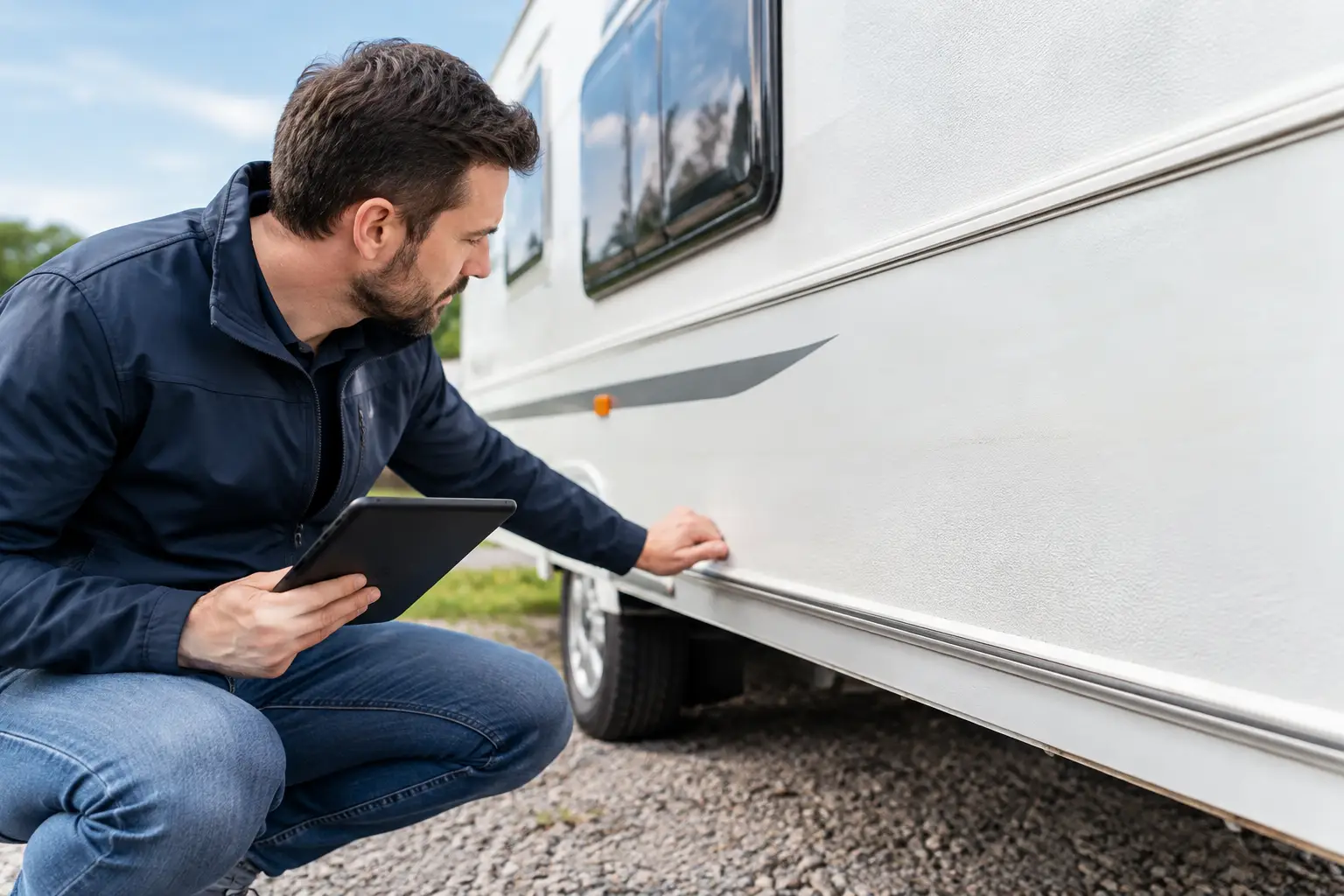
Photograph dents, scrapes, cracked bumpers, damaged mirrors, broken lights and corrosion. Include damage to the roof, awning, bike rack, steps and underbody if you know about it. Small cosmetic marks may not change an offer much on an older vehicle, while structural damage or a past insurance write-off can have a greater effect.
If the motorhome has been repaired after an accident, say when it happened and retain any invoices or insurance documents you have. There is no benefit in trying to disguise repaired damage. It will usually be apparent during an assessment.
Give a realistic account of the living area
The habitation side matters as much as the cab. Test what you can safely test and report the result plainly. This includes the heating, hot water, fridge, cooker, toilet, taps, lights, electric hook-up, leisure battery, windows and blinds.
You do not need to fill the water system or use gas appliances if the vehicle has been laid up and you are unsure of its safety. Just explain that they have not been tested. A buyer can allow for that rather than assuming every appliance is fully operational.
A good description covers four areas:
- what works as expected;
- what does not work or works intermittently;
- what has not been tested; and
- any repairs, replacements or alterations you know about.
This approach is just as helpful for a VW camper conversion or an American RV as it is for a coachbuilt motorhome. Conversions can vary greatly in build quality and equipment, so details about electrical work, gas installations and added features are especially useful.
Paperwork is part of the condition story
A complete service file is reassuring, but an incomplete history does not prevent a sale. Tell the buyer what you have: service invoices, MOT certificates, habitation checks, damp reports, manuals, spare keys and receipts for recent work. If documents are missing, say so early.
The V5C is helpful for transferring ownership, but losing it does not automatically stop the process. Explain whether you have it, whether the address is current and whether the vehicle is registered in your name. If it is an inherited motorhome or caravan, have any relevant probate or ownership information available before agreeing a sale.
Outstanding finance needs to be disclosed too. A legitimate buyer can discuss the settlement figure and how the transaction can be handled safely, but finance should never be an afterthought. The same goes for private registration plates, which may need to be retained before the vehicle changes hands.
Take useful photographs, not flattering ones
Good photos help produce a firmer initial valuation. Include front, rear and both sides, the cab, mileage display, interior, kitchen, washroom, beds, tyres and any faults you have described. Photograph damp marks, body damage and warning lights clearly rather than trying to take images that hide them.
Natural daylight is best. A quick clean is worthwhile, especially if the vehicle has been unused, but avoid covering stains with mats or storing belongings in areas a buyer needs to inspect. Empty personal possessions, remove valuables and check cupboards, lockers and the garage compartment before collection.
What to say if the motorhome will not move
A non-runner can still be sold. Explain where it is parked, whether access is suitable for a recovery vehicle, if the tyres hold air and whether it can roll and steer. Mention low branches, narrow lanes, steep driveways, locked gates or storage-site rules that could affect collection.
This is not about making collection your problem. It allows the buyer to bring the right equipment and avoid delays. The same practical detail is useful for a caravan with damaged tyres, seized brakes or no current roadworthiness paperwork.
Keep the valuation conversation straightforward
When you request an offer, give the registration, make, model, year, mileage and a truthful condition description. Send photographs when asked, and be prepared to answer a few practical questions. If anything changes before collection, such as a new fault, an MOT failure or accidental damage, let the buyer know straight away.
At WR Motorhomes, vehicles are bought in all sorts of conditions, from clean, ready-to-tour motorhomes to damp, damaged and non-running examples. A realistic offer, free collection and instant bank-transfer payment are much easier to arrange when everyone is working from the same information. There should be no pressure to pretend an older vehicle is better than it is, and no hidden cost for being upfront about its faults.
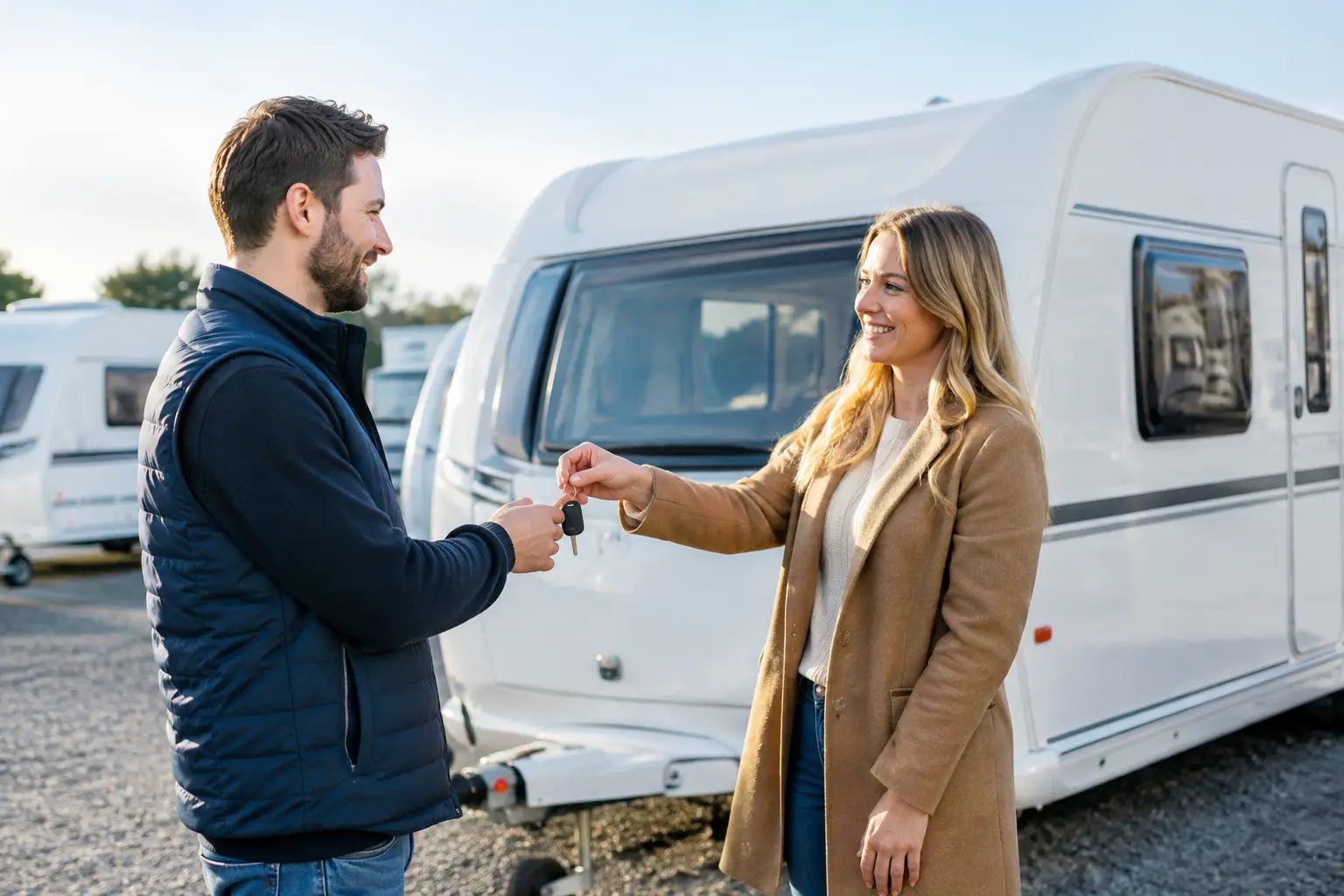
Before handing over the keys, remove your belongings, have the available documents ready and make sure you understand the ownership-transfer process. Cleared payment should be confirmed before the vehicle leaves.
A motorhome does not need to be immaculate to be worth selling. Give an honest account, ask for a no-obligation valuation and let the right buyer assess it fairly.